 Anabelle Mclean
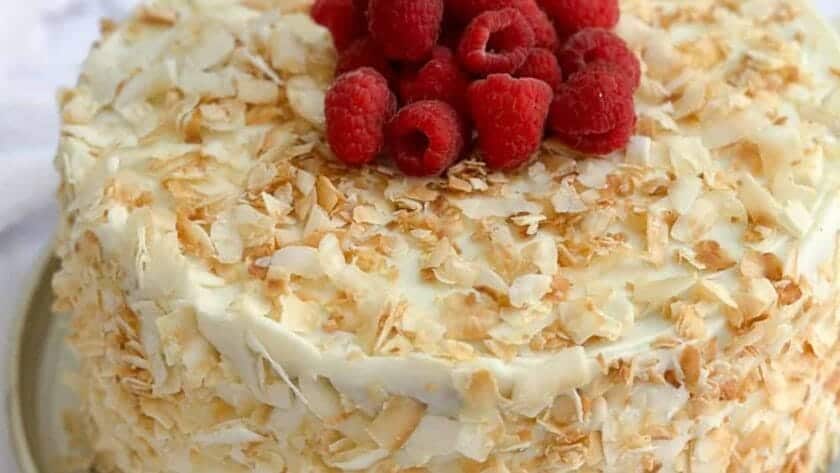
 Nigella Coconut and Raspberry Cake is one of those simple bakes that feels a little special without asking much from you. It has a soft buttery crumb, a clean coconut sweetness, and little bursts of tart raspberry that keep every bite bright rather than heavy.
I like making it when I want a cake that sits somewhere between everyday comfort and something worth sharing. It takes 20 minutes to prep, 40 minutes to cook, and because it uses a stovetop method with an 8-inch skillet or stovetop-safe cake pan, it feels both practical and a bit clever.
What Exactly Is Nigella Coconut And Raspberry Cake?
Nigella Coconut and Raspberry Cake is a tender fruit cake made with butter, eggs, milk, vanilla, shredded coconut, and fresh raspberries. What makes it stand out is the gentle pan-steam stovetop method, which keeps the crumb moist and delicate, almost like wrapping the cake in a soft blanket of heat.
Its style feels international rather than tied to one strict tradition. Coconut brings fragrance, raspberries bring sharp little pops of flavour, and together they balance like sunshine and rain in the same slice.
Try Nigella Dessert Recipes
- Nigella Courgette and Lime Cake
- Nigella Lemon Meringue Cake
- Nigella Lemon and Almond Cake
- Nigella Chocolate Olive Oil Cake
- Nigella Chocolate Raspberry Cake
Why This Recipe Is a Must-Try
- Stovetop ease — Not every cake needs the oven to prove itself. This one cooks gently under a lid, which makes it handy on warm days or when your oven is busy.
- Coconut fragrance — Unsweetened shredded coconut runs through the batter and over the top, so you get flavour and texture at once. It’s subtle, not overpowering.
- Raspberry contrast — Fresh raspberries cut through the buttery sweetness beautifully. That tartness acts like a squeeze of lemon over rich food; it wakes everything up.
- Moist texture — The covered resting time helps the center set without turning dry. You end up with a soft crumb that slices cleanly but still feels tender.
- Short timing — With 20 minutes of prep and 40 minutes of cooking, Nigella’s Coconut and Raspberry Cake fits into an ordinary day. No complicated stages, no fuss.
- Small-batch appeal — Since it serves 4, it’s ideal when you want a proper homemade cake without leftovers taking over the kitchen. Sometimes less really is more.
Key Ingredients Needed for Nigella Coconut And Raspberry Cake
- All-purpose flour — 1 cup gives the cake its structure and keeps the crumb soft rather than dense.
- Baking powder — 1 tsp helps the cake rise evenly during the gentle stovetop cooking.
- Fine sea salt — 1/4 tsp sharpens the sweetness and keeps the flavour balanced.
- Unsalted butter — 6 tbsp softened, plus 1 tsp for greasing the pan, brings richness and a tender buttery base.
- Granulated sugar — 1/2 cup sweetens the batter and helps the butter cream properly for a lighter texture.
- Large eggs — 2 room temperature eggs add structure, richness, and help the batter hold together.
- Whole milk — 1/2 cup at room temperature loosens the batter and keeps the crumb moist.
- Vanilla extract — 1 tsp rounds out the coconut and raspberry flavours with a warm background note.
- Unsweetened shredded coconut — 3/4 cup divided gives fragrance in the batter and a textured finish on top.
- Fresh raspberries — 1 cup brings juicy, tart pops all through the cake.
- Granulated sugar for the raspberries — 1 tbsp lightly coats the fruit so it holds its shape a bit better as the cake cooks.
Equipment
- Deep 8-inch heavy-bottomed skillet or stovetop-safe cake pan — This is the heart of the recipe and gives the cake its gentle stovetop cook.
- Tight-fitting lid — Trapped steam is what cooks the cake evenly and keeps it moist.
- Medium mixing bowl — Useful for whisking together the dry ingredients.
- Second mixing bowl — Needed for creaming the butter and sugar, then building the batter.
- Hand mixer or sturdy whisk — Either works for creaming the butter and sugar properly.
- Spatula or spoon — Handy for folding the batter and smoothing the top in the pan.
Instructions to Make Nigella Coconut And Raspberry Cake
- Prepare the pan — Prepare a deep 8-inch heavy-bottomed skillet or stovetop-safe cake pan with 1 teaspoon butter, coating the base and sides evenly so the cake releases cleanly. Cut a round of parchment for the bottom if your pan tends to stick, then set a tight-fitting lid nearby because trapped steam is what cooks the cake gently and evenly.
- Whisk the dry ingredients — In a medium bowl, whisk together the all-purpose flour, baking powder, and fine sea salt for 30 seconds. This distributes the leavening thoroughly, which prevents dense patches and helps the cake rise evenly without overmixing later.
- Cream butter and sugar — In a separate bowl, cream the softened butter and 1/2 cup granulated sugar with a hand mixer or sturdy whisk for 2 to 3 minutes until the mixture looks paler and slightly fluffy. Do not stop while it still looks heavy and grainy, because this stage builds the cake’s structure and keeps the crumb light.
- Add the eggs — Beat in the eggs one at a time, mixing well after each addition until fully incorporated and glossy. If the batter looks slightly curdled, that is fine; it will smooth out once the flour is added, but avoid adding both eggs at once or the emulsion may split more dramatically.
- Finish the batter — Stir in the whole milk and vanilla extract until combined, then fold in 1/2 cup of the shredded coconut. Add the dry ingredients in two additions, folding gently with a spatula just until no dry streaks remain, because overworking the batter will toughen the finished cake.
- Sugar the raspberries — In a small bowl, toss the raspberries with the remaining 1 tablespoon of granulated sugar. This light coating helps the fruit hold its shape a bit better and releases a little juice during cooking without immediately sinking and turning the batter muddy.
- Fill and top the pan — Spread the batter into the prepared skillet and smooth the top with an offset spatula or the back of a spoon. Scatter the sugared raspberries over the surface and lightly press them in, then sprinkle the remaining 1/4 cup shredded coconut on top for a lightly toasted finish.
- Cook gently — Set the skillet over low heat and cover it tightly with the lid. Cook for 30 to 35 minutes, keeping the heat gentle so the base does not scorch; you should hear only the faintest sizzle, not aggressive crackling, and the cake should slowly puff as it cooks.
- Check for doneness — After 30 minutes, quickly lift the lid and test the center with a skewer. If it comes out with wet batter, re-cover and continue cooking 3 to 5 minutes more; if it has a few moist crumbs and the top feels springy when lightly pressed, the cake is done.
- Rest covered — Take the pan off the heat and leave the cake covered for 5 minutes. This short rest lets the residual steam finish setting the crumb, which reduces the chance of a gummy center or a cake that tears when unmolded.
- Cool before serving — Run a thin knife around the edge, then rest the cake in the pan uncovered for another 10 minutes before turning it out or serving straight from the skillet. The coconut on top should smell fragrant, the raspberries should be softened but still distinct, and the cake should slice cleanly once the structure settles.
- Use the oven option if needed — For an oven alternative, bake the same batter in a greased 8-inch cake pan at 350°F / 177°C for 25 to 30 minutes, or until a skewer inserted in the center comes out with a few moist crumbs. Let it cool in the pan for 10 minutes before unmolding so the fruit-set crumb stays intact.
Common Mistakes I Made (And How I Fixed Each One)
- The butter was under-creamed — When the butter and sugar still looked heavy and grainy, the cake came out tighter. Now I cream for the full 2 to 3 minutes until it looks paler and slightly fluffy.
- Overmixing toughened the crumb — Once the flour went in, too much stirring made the texture less delicate. I fold gently and stop as soon as the dry streaks disappear.
- Skipping the lid caused uneven cooking — This cake depends on trapped steam, so an ill-fitting lid throws everything off. I always keep a tight-fitting lid ready before I start.
- High heat scorched the base — A stovetop cake needs patience, not force. Low heat with only the faintest sizzle is the sweet spot.
- Lifting the lid too often slowed things down — Every peek lets steam escape, and that means a slower, less even cook. I wait until 30 minutes before checking the center with a skewer.
- Cutting too soon made it messy — Fresh from the pan, the crumb is still settling. The 5-minute covered rest and 10-minute uncovered rest make a real difference.
Healthier Version of Nigella Coconut And Raspberry Cake
- Whole-grain swap — Replace 1/2 cup of the all-purpose flour with 1/2 cup wholemeal flour for a slightly nuttier texture. The cake will feel a bit heartier but still soft.
- Less sugar approach — Reduce the 1/2 cup granulated sugar in the batter to 1/3 cup if you prefer a less sweet finish. The raspberries will stand out more sharply.
- Lighter dairy choice — Use 1/2 cup reduced-fat milk instead of whole milk to trim some richness. It still keeps the batter loose enough to cook well.
- Butter trim — Try 4 tbsp unsalted butter instead of 6 tbsp for a lighter crumb. The texture will be a touch less rich, but the coconut helps keep it pleasant.
- Extra fruit balance — Keep the 1 cup of raspberries and add a few extra berries on the side when serving rather than adding cream. That gives freshness without changing the bake itself.
What to Pair With Nigella Coconut And Raspberry Cake
- Fresh cream — A small spoonful alongside Nigella’s Coconut and Raspberry Cake softens the tart edge of the raspberries. It’s a simple pairing, but it works like silk next to velvet.
- Greek yogurt — Tangy yogurt gives contrast without making the plate too rich. I like this especially for a brunch-style serving.
- Hot tea — A cup of black tea or Earl Grey keeps the coconut sweetness in check. Warm tea and soft cake always feel like a sensible kind of luxury.
- Strong coffee — The bitterness of coffee plays well against the butter and sugar. If you like dessert that doesn’t taste flat, this pairing does the job.
- Extra raspberries — A few fresh berries on the side make the finished plate look brighter and taste fresher. Sometimes the easiest addition is the best one.
- Vanilla ice cream — Cold ice cream against the warm or reheated cake is hard to resist. It melts into the crumb and turns the whole thing into a proper pudding.
Pro Tips to Get Perfect Nigella Coconut And Raspberry Cake Every Time
- Room-temperature ingredients matter — Eggs and milk blend more smoothly into the creamed butter, which helps the batter stay glossy and even. Cold ingredients can make it look split and uneven.
- Proper creaming builds structure — Those 2 to 3 minutes with butter and sugar are not filler. They trap air, which helps the cake stay light despite the gentle stovetop method.
- Gentle folding protects the crumb — Once the flour goes in, treat the batter like it’s delicate. A light hand keeps the texture tender instead of chewy.
- Sugared fruit behaves better — Tossing the raspberries with 1 tablespoon granulated sugar helps them keep their shape a bit more during cooking. It also prevents the top from turning too muddy.
- Low heat is non-negotiable — If the pan crackles loudly, the heat is too high. You want a calm, quiet cook so the base doesn’t brown before the center sets.
- Quick testing keeps steam inside — When you check the center after 30 minutes, do it fast. Too much lingering with the lid off can steal the moisture the cake needs.
- Resting finishes the job — The 5 minutes covered and 10 minutes uncovered are part of the recipe, not just waiting around. That pause helps the slice hold together neatly.
Easy Variations of Nigella Coconut And Raspberry Cake
- Blueberry version — Swap the 1 cup fresh raspberries for 1 cup fresh blueberries for a sweeter, softer fruit finish. Keep the 1 tablespoon of granulated sugar for tossing if you like the same glossy top.
- Strawberry twist — Replace the raspberries with 1 cup chopped fresh strawberries. Cut them small so they settle into the batter more evenly.
- Lemon note — Add 1 tsp finely grated lemon zest alongside the 1 tsp vanilla extract for a brighter flavour. Coconut and lemon are old friends for a reason.
- Almond accent — Use 1/2 tsp almond extract plus 1/2 tsp vanilla extract instead of the full 1 tsp vanilla. That small change gives the cake a bakery-style aroma.
- More coconut texture — Increase the shredded coconut from 3/4 cup to 1 cup if you want a chewier bite. The cake will feel more textured, but still balanced.
- Oven-baked route — Make the same batter in a greased 8-inch cake pan and bake at 350°F / 177°C for 25 to 30 minutes. It’s the same flavour with a slightly drier top and a more classic cake feel.
How to Store Nigella Coconut And Raspberry Cake the Right Way
- First, cool completely — Warm cake traps condensation, and that can make the crumb damp. I always let Nigella’s Coconut and Raspberry Cake cool before storing.
- Covered refrigeration works best — Store the cooled cake covered in the refrigerator for up to 4 days. A cake container or a plate tightly wrapped works well.
- Individual wrapping helps freezing — For longer storage, wrap individual slices tightly and freeze for up to 2 months. That way, you can thaw only what you need.
- Label the date — A quick label saves guesswork later. It’s a small habit, but it keeps your freezer from turning into a mystery drawer.
- Thaw with patience — Thaw frozen slices overnight in the refrigerator before reheating for the best texture. Slow thawing protects the crumb better than leaving it out on the counter.
The Best Ways to Reheat Nigella Coconut And Raspberry Cake
- Oven reheating — Reheat refrigerated slices in a 300°F / 150°C oven for 8 to 10 minutes, just until warmed through. This is my favourite method because it keeps the crumb soft and the coconut fragrant.
- Stovetop reheating — Warm slices in a covered skillet over low heat for 3 to 4 minutes, just until heated through. The lid helps hold moisture, much like the original cook.
- Microwave shortcut — If you’re in a hurry, use an 800-watt microwave in short 15 to 20 second bursts until the slice is warm. Covering it loosely helps stop the cake from drying out.
- Air fryer option — Reheat at 300°F / 150°C for about 3 to 5 minutes, checking early so the coconut doesn’t toast too far. It’s quick, though I prefer to line the basket or use a small dish.
Nutrition (Per Serving)
- Calories — about 475
- Protein — around 6.9g
- Fat — about 23.3g
- Carbohydrates — around 61.6g
- Fiber — about 4.6g
- Sugar — around 35.0g
- Sodium — about 238mg
FAQs
Can I bake Nigella Coconut and Raspberry Cake in the oven instead?
Yes. Bake the same batter in a greased 8-inch cake pan at 350°F / 177°C for 25 to 30 minutes, then cool it in the pan for 10 minutes before unmolding.
Why does this cake use a lid on the stovetop?
The lid traps steam, and that steam helps cook the cake gently and evenly. Without it, the base can overcook before the center is ready.
Can I use frozen raspberries?
Fresh raspberries are the best fit here because the recipe is built around them. Frozen berries may release more liquid and make the batter look muddier.
How do I know when the Nigella Coconut and Raspberry Cake is done?
After 30 minutes, test the center with a skewer. If it comes out with a few moist crumbs and the top feels springy when lightly pressed, it’s ready.
Does the cake need parchment in the pan?
Not always, but it helps if your pan tends to stick. A round of parchment on the base makes unmolding much easier and cleaner.
Can I serve it straight from the skillet?
Yes, and I think it looks lovely that way. Just make sure you give it the full resting time so the slices hold their shape.
Final Thoughts
Nigella Coconut And Raspberry Cake is the sort of bake I come back to when I want something soft, bright, and uncomplicated. It proves that a simple skillet, a lid, and a handful of good ingredients can still make a cake that feels worth remembering.
If you try it, keep the heat gentle and trust the resting time. That’s where the magic quietly happens.
PrintNigella Coconut and Raspberry Cake
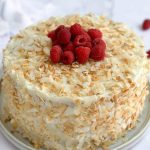
This tender stovetop cake has a soft, buttery crumb enriched with coconut and brightened by bursts of tart raspberry throughout. A gentle pan-steam method keeps it moist and delicate, while a coconut finish adds texture and a clean, fragrant sweetness.
- Prep Time: 20
- Cook Time: 40
- Total Time: 60
- Yield: 4 1x
- Category: Main Course
- Method: Stovetop
- Cuisine: International
Ingredients
- 1 cup all-purpose flour
- 1 tsp baking powder
- 1/4 tsp fine sea salt
- 6 tbsp unsalted butter, softened, plus 1 tsp for greasing the pan
- 1/2 cup granulated sugar
- 2 large eggs, room temperature
- 1/2 cup whole milk, room temperature
- 1 tsp vanilla extract
- 3/4 cup unsweetened shredded coconut, divided
- 1 cup fresh raspberries
- 1 tbsp granulated sugar, for the raspberries
Instructions
- Prepare a deep 8-inch heavy-bottomed skillet or stovetop-safe cake pan with 1 teaspoon butter, coating the base and sides evenly so the cake releases cleanly. Cut a round of parchment for the bottom if your pan tends to stick, then set a tight-fitting lid nearby because trapped steam is what cooks the cake gently and evenly.
- In a medium bowl, whisk together the all-purpose flour, baking powder, and fine sea salt for 30 seconds. This distributes the leavening thoroughly, which prevents dense patches and helps the cake rise evenly without overmixing later.
- In a separate bowl, cream the softened butter and 1/2 cup granulated sugar with a hand mixer or sturdy whisk for 2 to 3 minutes until the mixture looks paler and slightly fluffy. Do not stop while it still looks heavy and grainy, because this stage builds the cake’s structure and keeps the crumb light.
- Beat in the eggs one at a time, mixing well after each addition until fully incorporated and glossy. If the batter looks slightly curdled, that is fine; it will smooth out once the flour is added, but avoid adding both eggs at once or the emulsion may split more dramatically.
- Stir in the whole milk and vanilla extract until combined, then fold in 1/2 cup of the shredded coconut. Add the dry ingredients in two additions, folding gently with a spatula just until no dry streaks remain, because overworking the batter will toughen the finished cake.
- In a small bowl, toss the raspberries with the remaining 1 tablespoon granulated sugar. This light coating helps the fruit hold its shape a bit better and releases a little juice during cooking without immediately sinking and turning the batter muddy.
- Spread the batter into the prepared skillet and smooth the top with an offset spatula or the back of a spoon. Scatter the sugared raspberries over the surface and lightly press them in, then sprinkle the remaining 1/4 cup shredded coconut on top for a lightly toasted finish.
- Set the skillet over low heat and cover it tightly with the lid. Cook for 30 to 35 minutes, keeping the heat gentle so the base does not scorch; you should hear only the faintest sizzle, not aggressive crackling, and the cake should slowly puff as it cooks.
- After 30 minutes, quickly lift the lid and test the center with a skewer. If it comes out with wet batter, re-cover and continue cooking 3 to 5 minutes more; if it has a few moist crumbs and the top feels springy when lightly pressed, the cake is done.
- Take the pan off the heat and leave the cake covered for 5 minutes. This short rest lets the residual steam finish setting the crumb, which reduces the chance of a gummy center or a cake that tears when unmolded.
- Run a thin knife around the edge, then rest the cake in the pan uncovered for another 10 minutes before turning it out or serving straight from the skillet. The coconut on top should smell fragrant, the raspberries should be softened but still distinct, and the cake should slice cleanly once the structure settles.
- For an oven alternative, bake the same batter in a greased 8-inch cake pan at 350°F / 177°C for 25 to 30 minutes, or until a skewer inserted in the center comes out with a few moist crumbs. Let it cool in the pan for 10 minutes before unmolding so the fruit-set crumb stays intact.
Notes
Store cooled cake covered in the refrigerator for up to 4 days. For longer storage, wrap individual slices tightly and freeze for up to 2 months. Reheat refrigerated slices in a 300°F / 150°C oven for 8 to 10 minutes or in a covered skillet over low heat for 3 to 4 minutes, just until warmed through. Thaw frozen slices overnight in the refrigerator before reheating for the best texture.
Nutrition
- Calories: 475
- Sugar: 35.0g
- Sodium: 238mg
- Saturated Fat: 14.5g
- Trans Fat: 23.3g
- Carbohydrates: 61.6g
- Fiber: 4.6g
- Protein: 6.9g
- Cholesterol: 138mg
Keywords: Nigella coconut raspberry cake, stovetop cake, coconut cake, raspberry cake, skillet cake, steamed cake, international dessert cake