 Anabelle Mclean
 Nigella Lemon and Almond Cake is one of those bakes that feels both simple and quietly special. It is bright with lemon, soft from almond flour, and gently cooked on the stovetop until the crumb turns plush and tender. If you want a cake for afternoon tea, a light pudding, or a small family treat, this one fits beautifully in just 60 minutes.
What I like most is the contrast. You get citrus sharpness, buttery richness, a little crunch from sliced almonds, and that mellow almond aroma running through every bite. It sits somewhere between a classic tea cake and a soft sponge, with an International feel and a clever stovetop method that keeps things wonderfully moist.
What Exactly Is Nigella Lemon and Almond Cake?
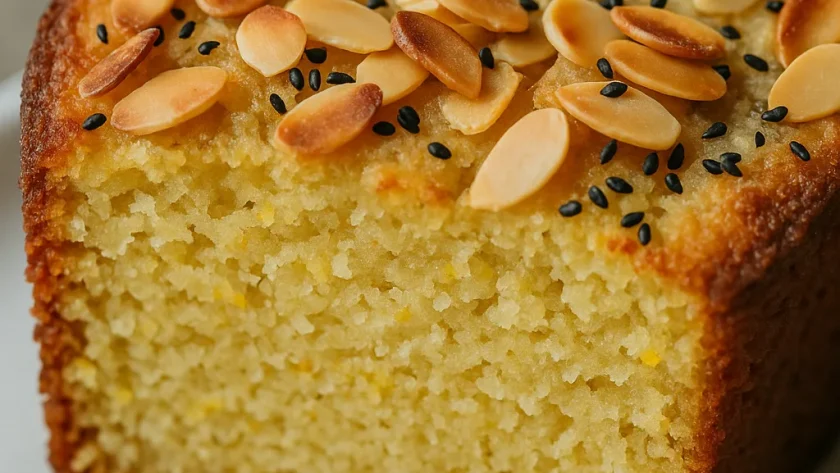
Nigella Lemon and Almond Cake is a tender lemon cake made with almond flour, a little all-purpose flour, butter, sugar, eggs, and fresh lemon zest and juice. Instead of baking it in the oven, this version is cooked in a covered skillet over very low heat, which gives it a delicate golden outside and a soft middle.
It stands out because almond flour changes the texture completely. Rather than a dry, crumbly cake, you get a moist slice that stays soft for days, almost like the cake is wrapped in its own little cushion.
Try Nigella Dessert Recipes
- Nigella Courgette and Lime Cake
- Nigella Lemon Meringue Cake
- Nigella Coconut And Raspberry Cake
- Nigella Chocolate Olive Oil Cake
- Nigella Chocolate Raspberry Cake
Why This Recipe Is a Must-Try
- Citrus punch — The zest from 2 medium lemons and 2 tablespoons of lemon juice give this cake a clean, bright flavour that cuts through the richness beautifully.
- Almond softness — With 1 cup of almond flour in the batter, the crumb stays moist and tender instead of turning dry a few hours later.
- Stovetop ease — No oven? No problem. The covered pan works like a little cosy chamber, trapping gentle heat so the cake bakes softly on the hob.
- Small-batch charm — This recipe serves 4, which makes it ideal when you want cake without leftovers taking over the kitchen counter.
- Simple ingredients — Butter, sugar, eggs, lemons, flour, milk, and almonds are easy to find, yet together they taste far more polished than the shopping list suggests.
- Flexible serving — Serve it warm or at room temperature. A squeeze of extra lemon at the table wakes everything up like opening a window on a close day.
Key Ingredients Needed for Nigella Lemon and Almond Cake
- Unsalted butter, softened, for greasing the pan — This coats the skillet so the cake releases cleanly after cooking.
- Medium lemons — The zest brings fragrance, while 2 tablespoons of juice adds the sharp citrus note.
- Almond flour, finely ground — This is the heart of the cake, giving it moisture and a soft, rich crumb.
- All-purpose flour — A small amount adds structure so the cake holds together neatly.
- Baking powder — This helps the batter lift and keeps the texture lighter.
- Fine sea salt — A little salt sharpens both the lemon and almond flavours.
- Unsalted butter, softened — In the batter, it adds richness and helps create a smooth, tender texture.
- Granulated sugar — This sweetens the cake and helps the buttercream properly.
- Large eggs, room temperature — Eggs bind the batter and add structure without making it heavy.
- Almond extract — Just 1/2 teaspoon deepens the nutty aroma and rounds out the lemon.
- Whole milk — A small splash loosens the batter so it spreads evenly in the pan.
- Sliced almonds — These scatter over the top for crunch and a more finished look.
- Granulated sugar, for finishing — This final sprinkle helps create a lightly crisp top.
Equipment
- Heavy-bottomed skillet or deep nonstick sauté pan — Use an 8-inch pan for the correct thickness and even cooking.
- Tight-fitting lid — This traps heat so the cake bakes gently on the stovetop.
- Mixing bowls — One for the dry ingredients and one for the butter mixture.
- Whisk — Handy for combining the dry ingredients without lumps.
- Wooden spoon or hand mixer — Either works well for creaming the butter and sugar.
- Spatula or small offset spatula — Useful for folding the batter and smoothing the top.
Instructions to Make Nigella Lemon and Almond Cake
- Prepare the pan — Lightly grease an 8-inch heavy-bottomed skillet or deep nonstick sauté pan with 1 tablespoon of softened butter, coating the base and lower sides evenly. Fit the pan with a tight lid, and if the lid has a steam vent, plug it loosely with a small piece of foil so the heat stays trapped.
- Zest and juice the lemons — Finely grate the zest from both lemons into a small bowl, taking only the yellow skin and avoiding the white pith. Juice 1 lemon and measure 2 tablespoons for the batter; reserve the second lemon for serving or another use.
- Mix the dry ingredients — In a medium bowl, whisk together the almond flour, all-purpose flour, baking powder, and fine sea salt for 30 seconds until no lumps remain.
- Cream butter and sugar — In a separate bowl, beat the 6 tablespoons softened butter with the 1/2 cup granulated sugar using a wooden spoon or hand mixer until lighter in colour and slightly fluffy, about 2 to 3 minutes.
- Add eggs and flavourings — Beat in the eggs one at a time, mixing well after each addition until smooth. Add the lemon zest, 2 tablespoons lemon juice, and almond extract, then mix just until combined.
- Fold in the dry mix — Fold the dry ingredients into the butter mixture in two additions using a spatula, scraping the bowl well so no streaks remain. Stir in the 2 tablespoons whole milk just until the batter is thick but spreadable.
- Fill and top the skillet — Scrape the batter into the prepared skillet and smooth the top with a small offset spatula or the back of a spoon. Scatter the sliced almonds evenly over the surface and sprinkle with the remaining 1 tablespoon granulated sugar.
- Cook gently on the stovetop — Set the skillet over the lowest possible heat and cover tightly with the lid. Cook for 30 to 40 minutes, checking briefly after 25 minutes; the cake is ready when the top looks set and matte, the edges pull slightly from the pan, and a skewer inserted in the centre comes out with a few moist crumbs but no raw batter.
- Adjust if browning too fast — If the underside is colouring too quickly or you smell strong browning before the centre is set, slide the pan onto a heat diffuser or move it to a smaller burner on low heat.
- Rest in the pan — Once cooked, remove the skillet from the heat and leave the cake covered for 5 minutes. Then uncover and let it rest another 10 minutes before loosening the edge with a thin spatula.
- Serve — Serve warm or at room temperature, cut into 4 wedges. For a brighter finish, offer extra lemon wedges alongside so each portion can be lightly squeezed just before eating.
- Use the oven if preferred — Bake the same batter in a greased 8-inch cake pan at 350°F / 177°C for 22 to 28 minutes until lightly golden and a tester comes out clean. Let it cool for 15 minutes before unmolding.
Common Mistakes I Made (And How I Fixed Each One)
- The lemon juice overload — More juice sounds harmless, but it loosens the batter and slows the stovetop bake. I stick to exactly 2 tablespoons now, and the texture is much better.
- Overmixing the batter — Too much stirring makes the cake tighter and less tender. Once the dry ingredients and milk go in, I mix only until the batter is smooth and spreadable.
- Skipping the lid check — A loose lid lets heat escape and dries the cake out. Using a tight lid, and loosely plugging any steam vent with foil, keeps the bake gentle and even.
- Too much heat — Stovetop cakes are not in a race. Keeping the burner on the lowest possible heat stops the base from scorching before the middle is cooked.
- Cutting too early — Fresh from the pan, the crumb is still setting and can break. Resting it covered for 5 minutes, then uncovered for 10 minutes, gives cleaner slices.
- Uneven dry ingredients — Almond flour loves to clump if rushed. Whisking the dry ingredients for 30 seconds sorts that out and prevents dense pockets.
Healthier Version of Nigella Lemon and Almond Cake
- Sugar trim — Reduce the 1/2 cup granulated sugar in the batter to 1/3 cup if you prefer a less sweet cake. The lemon will taste a touch sharper, which I actually enjoy.
- Finishing skip — Leave off the final 1 tablespoon of granulated sugar on top for a slightly lighter result. You will lose a bit of crispness, but the cake still tastes lovely.
- Milk swap — Replace the 2 tablespoons of whole milk with 2 tablespoons of unsweetened almond milk for a lighter dairy option. It keeps the batter spreadable without changing the method.
- Portion control — Cut the cake into 8 smaller slices instead of 4 wedges if you want a lighter serving. Same cake, smaller share, less fuss.
- Almond topping tweak — Use 1 tablespoon sliced almonds instead of 2 tablespoons if you want to slightly reduce the richness on top while keeping the crunch.
What to Pair With Nigella Lemon and Almond Cake
- Fresh berries — Raspberries or strawberries bring a soft tartness that works beautifully with the almond and lemon.
- Greek yogurt — A spoonful of plain Greek yogurt adds cool creaminess and balances the sweetness without making the plate feel heavy.
- Hot tea — Earl Grey or a simple black tea pairs especially well, as the citrus notes echo the lemon in the cake.
- Soft cream — A little lightly whipped cream turns this into more of a pudding without covering up the flavour.
- Lemon wedges — Extra lemon at the table is a small touch, but it sharpens the sweetness and wakes up the almond aroma instantly.
- Coffee — A mild coffee makes a very good partner here, especially if you are serving the cake in the afternoon.
Pro Tips to Get Perfect Nigella Lemon and Almond Cake Every Time
- Room-temperature eggs matter — Eggs that are not fridge-cold blend more smoothly into the butter mixture, which helps the batter stay even.
- Only grate the yellow zest — The white pith is bitter, so stopping at the bright outer skin keeps the lemon flavour clean and fresh.
- Cream properly first — Beating the butter and sugar for 2 to 3 minutes gives the batter needed air, which is especially important because there is very little wheat flour.
- Fold in two additions — Adding the dry ingredients in two batches makes it easier to mix evenly without overworking the batter.
- Smooth the top evenly — A level surface helps the cake cook more consistently, especially in a covered skillet where heat surrounds it softly.
- Watch for visual cues — The top should look matte rather than wet, and the edges should begin to pull slightly from the pan. Those signs tell you more than the clock alone.
- Rest before serving — That short pause after cooking is not optional fluff. It lets the almond-rich crumb firm up so the slices hold together instead of crumbling apart.
Easy Variations of Nigella Lemon and Almond Cake
- Orange version — Swap the zest of 2 medium lemons for the zest of 2 medium oranges, and replace the 2 tablespoons of lemon juice with 2 tablespoons of orange juice for a softer citrus profile.
- Vanilla note — Replace the 1/2 teaspoon almond extract with 1/2 teaspoon vanilla extract if you want a gentler, rounder flavour.
- Nut topping change — Use 2 tablespoons chopped pistachios instead of 2 tablespoons sliced almonds for a different crunch and colour on top.
- Extra-citrus finish — Serve each wedge with 1 teaspoon of additional lemon juice squeezed over just before eating if you like a sharper edge.
- Sweeter top — Add a light dusting of icing sugar after cooling if you want a more dessert-like finish, but keep the 1 tablespoon of granulated sugar on top for the proper crispness during cooking.
- Oven-baked route — Use the exact same batter in a greased 8-inch cake pan and bake at 350°F / 177°C for 22 to 28 minutes when you want a more traditional method.
How to Store Nigella Lemon and Almond Cake the Right Way
- Counter storage — Keep the cooled cake tightly covered at room temperature for up to 1 day. A cake tin or airtight container works well.
- Fridge option — Refrigerate it for up to 4 days once fully cooled. I like to place slices in an airtight container so they stay moist and easy to grab.
- Freezer method — Freeze individual slices or the whole cake, well wrapped, for up to 2 months. Wrap first, then place in a freezer-safe container or bag for extra protection.
- Slice before chilling — Pre-slicing makes reheating easier and saves you from handling the cake too much later, which can break the tender crumb.
- Bring to room temperature — If serving from the fridge, let the cake sit out briefly before eating, or warm it gently for the best soft texture.
The Best Ways to Reheat Nigella Lemon and Almond Cake
- Oven warming — Reheat slices in a 300°F / 149°C oven for 8 to 10 minutes. This is the best method if you want the crumb soft and the top lightly refreshed.
- Stovetop gentle heat — Warm slices in a covered skillet over low heat for 3 to 4 minutes. The lid helps hold moisture so the cake does not dry out.
- Microwave care — If you use a microwave, heat one slice at a time in short 10 to 15 second bursts on medium power in a 700- to 900-watt microwave. Too long, and the almond crumb can turn greasy and rubbery.
- Air fryer shortcut — For a quick option, place a slice in the basket and warm at 300°F / 149°C for 3 to 4 minutes, checking early so the edges do not over-colour.
Nutrition (Per Serving)
- Calories — about 408
- Protein — around 8.4g
- Fat — about 28.3g
- Carbohydrates — around 33.5g
- Fiber — about 4.3g
- Sugar — around 23.6g
- Sodium — about 225mg
FAQs
Can I make Nigella Lemon and Almond Cake in the oven instead?
Yes, you can. Bake the same batter in a greased 8-inch cake pan at 350°F / 177°C for 22 to 28 minutes, then cool for 15 minutes before unmolding.
Why is my batter slightly curdled after adding the lemon juice?
That is normal. Once you add the dry ingredients, the batter smooths out, so there is no need to panic.
How do I know when Nigella Lemon and Almond Cake is done on the stovetop?
Look for a matte, set top, and edges that pull slightly from the pan. A skewer inserted in the centre should come out with a few moist crumbs but no raw batter.
Can I use more lemon juice for extra flavour?
I would not. More than 2 tablespoons loosens the batter and can make the stovetop cooking slower and less even.
Does this cake stay moist after the first day?
Yes, thanks to the almond flour, it stays soft very well. Store it tightly covered at room temperature for up to 1 day or refrigerate for up to 4 days.
Can I freeze Nigella Lemon and Almond Cake?
Yes, either freeze individual slices or the whole cake, well wrapped, for up to 2 months. Thaw, then reheat gently for the best texture.
Final Thoughts
Nigella Lemon and Almond Cake is the kind of recipe I come back to when I want something bright, tender, and reliable. It is simple, a little clever, and full of flavour without asking much from you.
If you enjoy lemon bakes with a soft almond crumb, this one is worth making. Try it once, and I think you will see why this small cake punches well above its weight.
PrintNigella Lemon and Almond Cake
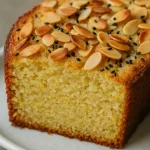
This lemon and almond cake is tender, richly aromatic, and intensely citrus-forward, with the natural moisture of ground almonds keeping the crumb soft for days. Finished on the stovetop with a gentle covered bake, it develops a delicate golden exterior and a plush interior that tastes even better after a short rest.
- Prep Time: 20
- Cook Time: 40
- Total Time: 60
- Yield: 4 1x
- Category: Main Course
- Method: Stovetop
- Cuisine: International
Ingredients
- 1 tbsp unsalted butter, softened, for greasing the pan
- 2 medium lemons
- 1 cup almond flour, finely ground
- 1/4 cup all-purpose flour
- 1 tsp baking powder
- 1/4 tsp fine sea salt
- 6 tbsp unsalted butter, softened
- 1/2 cup granulated sugar
- 2 large eggs, room temperature
- 1/2 tsp almond extract
- 2 tbsp whole milk
- 2 tbsp sliced almonds
- 1 tbsp granulated sugar, for finishing
Instructions
- Lightly grease an 8-inch heavy-bottomed skillet or deep nonstick sauté pan with 1 tablespoon of softened butter, making sure to coat the base and the lower sides evenly so the cake releases cleanly. Fit the pan with a tight lid; if the lid has a steam vent, plug it loosely with a small piece of foil so excess heat stays trapped and the cake bakes gently rather than drying out.
- Finely grate the zest from both lemons into a small bowl, taking only the yellow outer skin and avoiding the bitter white pith. Juice 1 lemon and measure 2 tablespoons of juice for the batter; reserve the second lemon for serving or another use, because adding too much juice will loosen the batter and slow the stovetop bake.
- In a medium bowl, whisk together the almond flour, all-purpose flour, baking powder, and fine sea salt for 30 seconds until no lumps remain. This dry mix needs to be evenly combined before it meets the butter mixture, because almond flour can clump and create dense pockets if rushed.
- In a separate mixing bowl, beat the 6 tablespoons softened butter with the 1/2 cup granulated sugar using a wooden spoon or hand mixer until the mixture looks lighter in color and slightly fluffy, about 2 to 3 minutes. Proper creaming is important here because there is very little wheat flour; the trapped air helps the cake lift and keeps it from turning heavy.
- Beat in the eggs one at a time, mixing well after each addition until fully absorbed and smooth. Add the lemon zest, 2 tablespoons lemon juice, and almond extract, then mix just until combined; if the batter looks slightly curdled at this point, that is normal and it will smooth out once the dry ingredients are added.
- Fold the dry ingredients into the butter mixture in two additions using a spatula, scraping the bowl well so no streaks remain. Stir in the 2 tablespoons whole milk just until the batter is thick but spreadable; avoid overmixing, because too much agitation can make the cake tight instead of tender.
- Scrape the batter into the prepared skillet and smooth the top with a small offset spatula or the back of a spoon. Scatter the sliced almonds evenly over the surface and sprinkle with the remaining 1 tablespoon granulated sugar, which helps form a lightly crisp, fragrant top.
- Set the skillet over the lowest possible heat on the stovetop and cover tightly with the lid. Cook for 30 to 40 minutes, checking briefly after 25 minutes; the cake is ready when the top looks set and matte rather than wet, the edges begin to pull slightly from the pan, and a skewer inserted in the center comes out with a few moist crumbs but no raw batter.
- If the underside is coloring too quickly or you smell strong browning before the center is set, slide the pan onto a heat diffuser or move it to a smaller burner on low heat. Stovetop cakes cook by trapped ambient heat, so steady gentleness matters more than speed; a pan that gets too hot will scorch the base before the middle finishes.
- Once cooked, remove the skillet from the heat and leave the cake covered for 5 minutes so the residual steam finishes the center softly and prevents collapse. Then uncover and let it rest another 10 minutes before loosening the edge with a thin spatula; this resting time allows the almond-rich crumb to firm up for cleaner slices.
- Serve warm or at room temperature, cut into 4 wedges. For a brighter finish, offer extra lemon wedges alongside so each portion can be lightly squeezed just before eating, which sharpens the sweetness and enhances the almond aroma.
- If you prefer an oven method, bake the same batter in a greased 8-inch cake pan at 350°F / 177°C for 22 to 28 minutes until the top is lightly golden and a tester comes out clean. Let it cool for 15 minutes before unmolding so the delicate crumb does not break.
Notes
Store the cooled cake tightly covered at room temperature for up to 1 day or refrigerate for up to 4 days. Freeze individual slices or the whole cake, well wrapped, for up to 2 months. To serve warm, reheat slices in a 300°F / 149°C oven for 8 to 10 minutes, or warm gently in a covered skillet over low heat for 3 to 4 minutes; avoid microwaving too long, which can make the almond crumb greasy and rubbery.
Nutrition
- Calories: 408
- Sugar: 23.6g
- Sodium: 225mg
- Saturated Fat: 10.4g
- Trans Fat: 28.3g
- Carbohydrates: 33.5g
- Fiber: 4.3g
- Protein: 8.4g
- Cholesterol: 145mg
Keywords: Nigella lemon almond cake, lemon almond cake, stovetop cake, flourless almond cake, citrus cake, gluten-free style cake, skillet cake