
 Anabelle Mclean
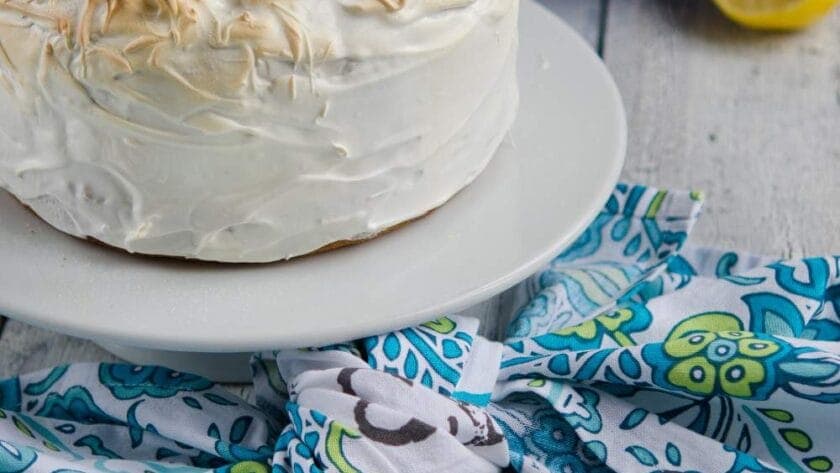
 Nigella Lemon Meringue Cake is the sort of dessert that stops people mid-bite. You get a tender lemon sponge, a bright silky lemon curd, and a cloud of soft meringue on top, all made with an International-style approach and a clever stovetop method. It tastes sharp, sweet, creamy, and light at once, like sunshine wrapped in sponge.
I make this when I want something that feels a little special without needing a full bakery setup. It suits spring lunches, birthdays, afternoon tea, or any day when citrus feels right, and the full cooking time is 80 minutes from start to finish.
What Exactly Is Nigella Lemon Meringue Cake?
Nigella Lemon Meringue Cake is a layered lemon cake inspired by the familiar charm of lemon meringue pie, but built more like a sponge cake sandwich. Instead of pastry, you get a soft lemon-scented sponge filled with lemon curd and finished with Italian-style meringue.
What makes it stand out is the contrast. The crumb is tender, the filling is glossy and tart, and the meringue brings that soft marshmallow edge that feels like a cushion over a bright citrus core.
Try Nigella Dessert Recipes
- Nigella Courgette and Lime Cake
- Nigella Coconut And Raspberry Cake
- Nigella Lemon and Almond Cake
- Nigella Chocolate Olive Oil Cake
- Nigella Chocolate Raspberry Cake
Why This Recipe Is a Must-Try
- Bright flavour balance — The lemon sponge, fresh lemon juice, and zest keep the cake lively without turning it harsh. It is citrusy, yes, but still rounded and gentle.
- Stovetop-friendly method — No oven? No problem. This Nigella Lemon Meringue Cake uses a heavy pot and low heat to create even, gentle cooking.
- Elegant layered finish — That middle layer of lemon curd makes each slice look neat and polished. It feels like a celebration cake, even though the steps are very manageable.
- Soft meringue topping — The Italian-style meringue is glossy, stable, and easy to swirl. Torch it lightly and you get toasted marshmallow notes that smell as good as they taste.
- Ideal for small gatherings — With 4 servings, it is perfect when you want something special without baking a giant cake. Sometimes a smaller cake is the smarter one, like a tailored coat instead of an oversized blanket.
- Make-ahead friendly parts — The sponge and curd can be prepared ahead, which takes the pressure off. That means assembly feels calm rather than rushed.
Key Ingredients Needed for Nigella Lemon Meringue Cake
- All-purpose flour — Forms the base of the lemon sponge and gives it structure.
- Baking powder — Helps the sponge rise evenly and keeps the crumb light.
- Fine sea salt — Sharpens the lemon flavour and balances sweetness throughout.
- Unsalted butter — Adds richness to both the sponge and the curd.
- Granulated sugar — Sweetens the sponge, curd, and meringue while supporting texture.
- Large eggs — Give the sponge body and help it set properly.
- Whole milk — Loosens the sponge batter slightly and keeps the crumb tender.
- Finely grated lemon zest — Brings a strong citrus aroma without extra liquid.
- Fresh lemon juice — Delivers the sharp, clean lemon taste in both sponge and curd.
- Large egg yolks — Thicken the lemon curd and make it silky.
- Cornstarch — Gives the curd a stable, spreadable texture.
- Large egg whites — Whip into the glossy meringue topping.
- Water — Combines with sugar to make the hot syrup for the meringue.
- Cream of tartar — Helps the meringue hold firm peaks and stay smooth.
Equipment
- Large heavy pot with tight-fitting lid — Needed for the stovetop cake setup and even ambient heat.
- Wire rack or metal ring — Lifts the cake pan off the direct base of the pot.
- 7-inch round cake pan — Holds the sponge and keeps the layer height just right.
- Mixing bowls — Useful for the sponge batter and the meringue.
- Hand mixer — Helps cream the butter and whip the meringue properly.
- Small saucepan — Used for the lemon curd and sugar syrup.
Instructions to Make Nigella Lemon Meringue Cake
- Prepare the pot setup — Place a wire rack or metal ring inside a large, heavy pot with a tight-fitting lid, cover the lid with a clean kitchen towel, and preheat the covered pot over medium-low heat for 10 minutes. The goal is gentle, even heat, not bottom scorching; if using the oven instead, bake at 350°F / 177°C for 20 to 24 minutes in the same pan size.
- Ready the pan and dry mix — Grease and line one 7-inch round cake pan with parchment on the bottom, then whisk together the flour, baking powder, and fine sea salt for 30 seconds. This helps distribute the leavening evenly so the sponge rises uniformly.
- Cream butter and sugar — Beat the softened butter and 1/2 cup granulated sugar for 3 to 4 minutes until pale and fluffy, then add the eggs one at a time, beating well after each addition. Mix in the milk, lemon zest, and lemon juice; a slightly loose batter is normal.
- Fold and fill — Add the dry ingredients and fold gently just until no dry streaks remain. Scrape the batter into the prepared pan and level the surface.
- Cook the sponge — Set the pan onto the rack inside the preheated pot, cover immediately, and cook over low heat for 28 to 35 minutes. Check only after 25 minutes; the cake is ready when the top looks dry, the center springs back lightly, and a tester shows a few moist crumbs.
- Make the lemon curd — While the cake cooks, whisk the egg yolks, 1/3 cup granulated sugar, cornstarch, lemon juice, and lemon zest until smooth, then place over medium-low heat and whisk constantly. In 3 to 5 minutes, the curd should look glossy and thick enough to leave brief whisk lines.
- Finish and chill the curd — Take the pan off the heat and whisk in the 3 tablespoons butter a piece at a time until smooth. Strain if you want a finer texture, press plastic wrap onto the surface, cool to room temperature, then chill for 10 to 15 minutes.
- Start the meringue base — Put the egg whites, cream of tartar, and 1/8 teaspoon fine sea salt in a clean bowl free of grease. In a very small saucepan, simmer the remaining 1/2 cup granulated sugar and water over medium heat until the sugar dissolves and the syrup looks clear, swirling occasionally without stirring once it simmers.
- Whip the Italian-style meringue — Beat the egg whites on medium speed to soft peaks, then slowly pour the hot syrup in a thin stream down the side of the bowl with the mixer on medium-low. Increase to medium-high and beat for 4 to 5 minutes until thick, glossy, and holding firm peaks.
- Layer the cake — Slice the cooled sponge horizontally into 2 even layers, place the bottom layer on a serving plate, and spread all of the lemon curd to within 1/4 inch of the edge. Add the top layer and press very lightly.
- Top with meringue — Spread the meringue over the top and sides, creating swirls and peaks with the back of a spoon. Torch lightly if you like until the ridges turn golden brown, or leave it plain for a softer marshmallow finish.
- Rest and serve — Let the assembled cake stand for 15 minutes before slicing. Use a sharp knife, wiped clean between cuts for tidy layers.
Common Mistakes I Made (And How I Fixed Each One)
- The batter got overworked — Folding too long made the sponge a bit tight. Now I stop as soon as the dry streaks disappear, and the crumb stays much softer.
- Opening the pot too early — Lifting the lid before 25 minutes let the trapped heat escape. Once I waited, the Nigella Lemon Meringue Cake cooked more evenly and rose better.
- Too much bottom heat — A stronger flame scorched the base before the centre was done. Low heat and a proper rack inside the pot fixed that straight away.
- Curd rushed on the hob — Turning the heat too high made the filling thicken unevenly. Medium-low heat and constant whisking gave me a smooth, glossy result.
- Greasy bowl trouble — Even a little grease stopped the egg whites from whipping well. A perfectly clean bowl gave me the firm peaks the meringue needed.
- Slicing before settling — Cutting immediately made the layers slide like books on a polished shelf. Giving it 15 minutes helped the filling and meringue set just enough.
Healthier Version of Nigella Lemon Meringue Cake
- Wholemeal swap — Replace 1/4 cup of the all-purpose flour with 1/4 cup wholemeal flour for a slightly nuttier sponge. I would not change more than that or the cake can lose some tenderness.
- Lighter sugar approach — Reduce the sponge sugar from 1/2 cup to 6 tbsp if you prefer a less sweet base. Keep the curd and meringue amounts the same so the texture still works.
- Lower-fat dairy choice — Use 2 tbsp semi-skimmed milk instead of whole milk in the sponge. It is a small change, but it trims richness without affecting the batter much.
- Less butter in the curd — Cut the curd butter from 3 tbsp to 2 tbsp for a lighter filling. The result will be a touch less rich but still spreadable after chilling.
- Smaller portion trick — Slice the finished cake into 6 smaller pieces instead of 4 if you want a lighter serving. That is the easiest adjustment of all, and often the most realistic one.
What to Pair With Nigella Lemon Meringue Cake
- Fresh berries — Raspberries or strawberries bring a juicy contrast to the sweet meringue. Their sharpness works beautifully with the lemon curd.
- Black tea — A plain pot of tea keeps the whole plate balanced and calm. It lets the citrus stay centre stage.
- Coffee — A small cup of strong coffee cuts through the sweetness nicely. Bitter and bright are old friends for a reason.
- Whipped cream — Just a spoonful on the side softens the sharper lemon notes. It is simple, but it works.
- Lemon verbena tea — If you want to lean into the citrus, this is a gentle, fragrant match. It tastes clean rather than heavy.
- Vanilla ice cream — Cold vanilla against the soft meringue feels a bit like silk against toast. The contrast is excellent, especially on warmer days.
Pro Tips to Get Perfect Nigella Lemon Meringue Cake Every Time
- Room-temperature ingredients matter — Softened butter, room-temperature eggs, and room-temperature milk help the sponge batter emulsify properly. That means a smoother mixture and a finer crumb.
- Towel-wrapped lid helps — Covering the pot lid with a clean kitchen towel catches condensation before it drips onto the cake. No one wants a wet top on a sponge that should stay light and dry.
- Gentle folding counts — Fold only until no dry streaks remain. Extra mixing knocks the softness out of the batter and can create tunnels.
- Waiting to check matters — Resist the urge to peek before 25 minutes when cooking the sponge on the stovetop. Trapped heat is doing the heavy lifting here.
- Constant whisking saves the curd — Keep the lemon curd moving over medium-low heat so the yolks thicken instead of scramble. Smooth curd spreads better and tastes cleaner.
- Thin syrup stream works best — Pour the hot syrup slowly down the side of the bowl, not onto the beaters. That gives the meringue stability instead of sticky splashes.
- Cool cake is essential — Slice and fill only when the sponge is completely cool. Warm cake and chilled curd are a messy pair, like butter on hot glass.
Easy Variations of Nigella Lemon Meringue Cake
- Lime version — Swap the 2 tbsp fresh lemon juice in the sponge for 2 tbsp fresh lime juice, and use 1/4 cup fresh lime juice in the curd. The result is slightly sharper and very fresh.
- Orange-lemon mix — Replace 1 tbsp of the fresh lemon juice in the sponge with 1 tbsp fresh orange juice. You can also swap 1 tsp of lemon zest in the curd for orange zest for a softer citrus note.
- Berry layer addition — Spread 1/4 cup fresh raspberries over the lemon curd before adding the top cake layer. They add tart pops without changing the base recipe too much.
- Untorched finish — Skip the torch and leave the meringue plain for a softer marshmallow-style topping. It still looks lovely with spoon-made peaks.
- Oven-baked sponge option — Use the same batter and bake it at 350°F / 177°C for 20 to 24 minutes if you prefer. Everything else stays exactly the same.
- Mini serving idea — Cut the baked sponge into small rounds after cooling and layer them as individual desserts with the same lemon curd and meringue. The flavour stays intact, but the presentation changes.
How to Store Nigella Lemon Meringue Cake the Right Way
- Assembled cake — Store the finished Nigella Lemon Meringue Cake in the refrigerator, loosely covered, for up to 2 days. Same-day serving is best because the meringue may weep slightly over time.
- Sponge layer — Wrap the plain sponge well and refrigerate it for 3 days if making ahead. You can also freeze it for up to 2 months.
- Lemon curd — Keep the curd in an airtight container in the refrigerator for up to 5 days. Pressing wrap directly on the surface while it cools helps prevent a skin.
- Frozen sponge prep — Thaw the frozen sponge overnight in the refrigerator before assembling. That keeps the crumb from turning damp or patchy.
- Serving-from-fridge method — Let chilled slices stand at cool room temperature for 20 minutes before serving. This gives the sponge and curd a better texture than serving them straight from the cold.
The Best Ways to Reheat Nigella Lemon Meringue Cake
- Oven refresh — I do not recommend reheating the fully assembled cake, but the plain sponge can be warmed at 300°F / 149°C for 5 to 8 minutes. It takes the chill off without drying it out.
- Microwave caution — Do not microwave the finished cake, as the meringue and curd suffer quickly. If you must warm plain sponge only, use an 800W microwave in 10-second bursts.
- Air fryer option — For plain sponge, an air fryer at 300°F / 149°C for 2 to 3 minutes works well. Watch closely, because small cakes dry faster than you expect.
- Stovetop gentleness — A plain sponge slice can be warmed in a covered pan over very low heat for 1 to 2 minutes, just until no longer fridge-cold. For the assembled cake, I stick to the 20-minute room-temperature method instead.
Nutrition (Per Serving)
- Calories — about 522
- Protein — around 6.9g
- Fat — about 24.7g
- Carbohydrates — around 69.2g
- Fiber — about 0.6g
- Sugar — around 50.8g
- Sodium — about 178mg
FAQs
Can I bake Nigella Lemon Meringue Cake in the oven instead of on the stovetop?
Yes, you can bake the sponge at 350°F / 177°C for 20 to 24 minutes in the same 7-inch pan. Cool it exactly as directed before slicing and filling.
Why did my meringue turn runny?
A greasy bowl, under-whipped egg whites, or pouring the syrup too quickly can all cause trouble. Beat to soft peaks first, then add the hot syrup slowly and continue until the meringue is thick and glossy.
Can I make Nigella Lemon Meringue Cake ahead of time?
Yes, partly. The sponge can be refrigerated for 3 days or frozen for up to 2 months, and the lemon curd keeps for up to 5 days in the fridge.
Do I need a kitchen torch for the topping?
No, the torch is optional. The meringue can be left plain for a softer marshmallow finish, and it still tastes excellent.
How do I know when the stovetop sponge is done?
Look for a dry top, a centre that springs back lightly, and a tester with a few moist crumbs. Also, do not check before the 25-minute mark or you risk dropping the heat too early.
Can I store leftover slices?
Yes, keep leftover slices in the refrigerator, loosely covered, for up to 2 days. Before serving, leave them at cool room temperature for 20 minutes for the best texture.
Final Thoughts
Nigella Lemon Meringue Cake is one of those cakes that feels both clever and comforting. If you love lemon desserts with contrast in every bite, this one is well worth making.
I like how it manages to be sharp, soft, creamy, and airy without feeling fussy. Give it a try, and you may find it becomes your small-occasion showpiece.
PrintNigella Lemon Meringue Cake
This stovetop-adapted lemon meringue cake layers tender lemon-scented sponge with a bright, silky lemon curd and a soft Italian-style meringue finish. The flavor is sharply citrusy yet balanced, with a light crumb, creamy filling, and toasted marshmallow notes from the meringue.
- Prep Time: 35
- Cook Time: 45
- Total Time: 80
- Yield: 4 1x
- Category: Main Course
- Method: Stovetop
- Cuisine: International
Ingredients
For the Lemon Sponge
- 1 cup all-purpose flour
- 1 tsp baking powder
- 1/4 tsp fine sea salt
- 6 tbsp unsalted butter, softened
- 1/2 cup granulated sugar
- 2 large eggs, room temperature
- 2 tbsp whole milk, room temperature
- 1 tbsp finely grated lemon zest
- 2 tbsp fresh lemon juice
For the Lemon Curd Filling
- 2 large egg yolks
- 1/3 cup granulated sugar
- 1 tbsp cornstarch
- 1/4 cup fresh lemon juice
- 1 tsp finely grated lemon zest
- 3 tbsp unsalted butter, cut into pieces
For the Meringue
- 2 large egg whites, room temperature
- 1/2 cup granulated sugar
- 2 tbsp water
- 1/8 tsp fine sea salt
For Finishing
- 1/4 tsp cream of tartar
Instructions
- Prepare a stovetop cake setup by placing a wire rack or metal ring inside a large, heavy pot with a tight-fitting lid. Cover the lid with a clean kitchen towel to catch condensation, then preheat the covered pot over medium-low heat for 10 minutes; the goal is gentle, even ambient heat, not direct bottom scorching. As an oven alternative, you can bake the sponge at 350°F / 177°C for 20 to 24 minutes in the same pan size.
- Grease and line one 7-inch round cake pan with parchment on the bottom, making sure the sides are lightly coated so the sponge releases cleanly. In a medium bowl, whisk together the flour, baking powder, and fine sea salt for 30 seconds to distribute the leavening evenly. This prevents dense pockets and helps the cake rise uniformly.
- In a separate bowl, beat the softened butter and 1/2 cup granulated sugar with a hand mixer for 3 to 4 minutes until pale, fluffy, and visibly increased in volume. Add the eggs one at a time, beating well after each addition so the batter stays emulsified and does not look curdled. Mix in the milk, lemon zest, and lemon juice; the mixture may look slightly loose, which is normal at this stage.
- Add the dry ingredients to the butter mixture and fold gently with a spatula just until no dry streaks remain. Do not overmix, or the sponge can become tough and tunnel as it cooks. Scrape the batter into the prepared pan and level the surface with a small offset spatula.
- Set the cake pan onto the rack inside the preheated pot and cover immediately. Cook over low heat for 28 to 35 minutes, checking only after the 25-minute mark to avoid dropping the trapped heat; the cake is done when the top looks dry, the center springs back lightly, and a tester comes out with a few moist crumbs. Remove the pan and cool for 10 minutes, then turn the cake out onto a rack and cool completely before slicing.
- While the cake cooks, make the lemon curd filling in a small saucepan. Whisk the egg yolks, 1/3 cup granulated sugar, cornstarch, lemon juice, and lemon zest until smooth before placing the pan over medium-low heat; whisk constantly so the yolks thicken gently rather than scrambling. In 3 to 5 minutes, the curd should become glossy and thick enough to leave brief lines from the whisk.
- Take the curd off the heat and whisk in the 3 tablespoons butter a piece at a time until fully melted and smooth. Strain through a fine-mesh sieve into a bowl if you want an especially refined texture, then press plastic wrap directly onto the surface to prevent a skin from forming. Let it cool to room temperature, then chill for 10 to 15 minutes so it firms enough to spread.
- For the meringue, place the egg whites, cream of tartar, and 1/8 teaspoon fine sea salt in a clean mixing bowl free of any grease. In a very small saucepan, combine the remaining 1/2 cup granulated sugar and water and bring to a simmer over medium heat, swirling occasionally until the sugar fully dissolves and the syrup looks clear. Do not stir once it simmers, or sugar crystals may form on the sides of the pan.
- As the syrup cooks, beat the egg whites on medium speed until they reach soft peaks that droop gently from the beaters. With the mixer running on medium-low, slowly pour the hot syrup in a thin stream down the side of the bowl, avoiding the beaters so the syrup does not splatter or seize. Increase to medium-high and beat for 4 to 5 minutes until the meringue is thick, glossy, and holds firm peaks while the bowl feels just warm, not hot.
- Slice the cooled cake horizontally into 2 even layers using a serrated knife, rotating the cake as you cut to keep the line level. Place the bottom layer on a serving plate and spread all of the lemon curd evenly to within 1/4 inch of the edge; this border keeps the filling from squeezing out. Set the top layer in place and press very lightly to secure it without forcing out the curd.
- Spread the meringue over the top and sides of the cake with the back of a spoon, creating swirls and peaks for texture. If you have a kitchen torch, toast the meringue lightly until the ridges are golden brown and smell faintly caramelized; keep the flame moving so it colors evenly and does not burn. Without a torch, leave the meringue untorched for a softer marshmallow finish.
- Let the assembled cake stand for 15 minutes before slicing so the filling settles and the meringue firms slightly. Use a sharp knife wiped clean between cuts for neat slices that show the layers clearly. Serve the cake the same day for the best contrast between tender sponge, bright curd, and airy meringue.
Notes
Store the assembled cake in the refrigerator, loosely covered, for up to 2 days; the meringue will weep slightly over time, so same-day service is ideal. The sponge layer can be wrapped well and refrigerated for 3 days or frozen for up to 2 months; thaw overnight in the refrigerator before assembling. Lemon curd can be refrigerated in an airtight container for up to 5 days. For best texture, do not microwave the finished cake; instead, let refrigerated slices stand at cool room temperature for 20 minutes before serving. If using the oven alternative, bake the sponge at 350°F / 177°C and cool exactly as directed before filling.
Nutrition
- Calories: 522
- Sugar: 50.8g
- Sodium: 178mg
- Unsaturated Fat: 14.4g
- Carbohydrates: 69.2g
- Fiber: 0.6g
- Protein: 6.9g
- Cholesterol: 157mg
Keywords: Nigella lemon meringue cake, lemon cake, stovetop cake, lemon curd cake, meringue cake, citrus dessert