 Anabelle Mclean
 Nigella Madeira Cake is one of those old-fashioned bakes that never feels dated. It has a rich lemon-butter aroma, a close tender crumb, and that neat crackled top that makes each slice look smart without trying too hard.
I make this when I want something simple but polished, whether for afternoon tea, a small gathering, or a quiet weekend bake. With 20 minutes of prep, 65 minutes of cook time, and 85 minutes total, it fits neatly into the day, using classic ingredients like butter, sugar, eggs, flour, milk, and candied citron peel in an International-style bake with an oven method and a stovetop alternative.
What Exactly Is Nigella Madeira Cake?
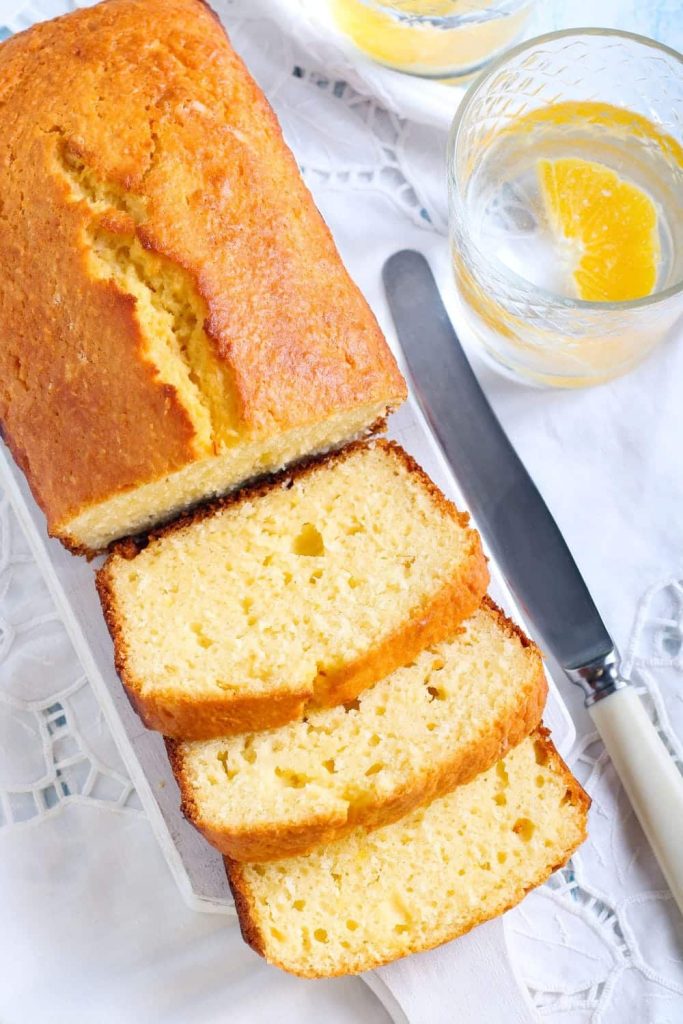
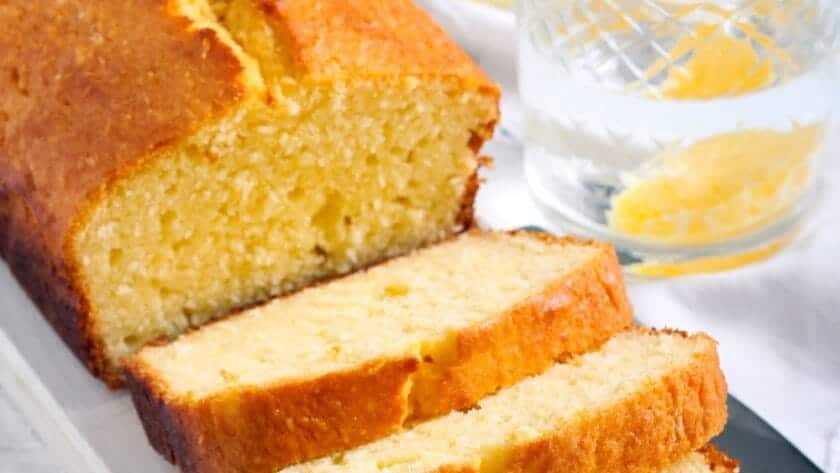
Nigella Madeira Cake is a traditional butter cake known for its firm yet delicate texture. It slices cleanly, carries a gentle lemon note, and has a crumb that feels tighter than sponge but softer than pound cake.
Despite the name, it is not made with Madeira wine. The charm lies in its balance: rich but not heavy, plain yet refined, like a crisp white shirt in cake form. The candied citron or lemon zest on top gives it that classic, slightly old-world finish.
Why This Recipe Is a Must-Try
- Classic flavour — The mix of butter, sugar, and lemon zest gives Nigella Madeira Cake a clean, timeless taste that never feels fussy.
- Reliable texture — Because the batter is creamed properly and baked steadily, you get a close, tender crumb that cuts beautifully.
- Smart presentation — That central crack and strip of candied citron peel make the cake look elegant with very little effort.
- Flexible method — The main method is oven baking, but there is also a stovetop alternative if that is what you need on the day.
- Small-batch appeal — With 4 servings, this recipe is ideal when you want a proper homemade cake without leftovers hanging around for ages.
- Lovely for occasions — Afternoon tea, dessert, or a quiet coffee break all suit this cake, and it never feels out of place.
Key Ingredients Needed for Nigella Madeira Cake
- Unsalted butter — 1 cup softened butter creates the rich base and gives the cake its tender, buttery crumb.
- Granulated sugar — 1 cup adds sweetness and helps the butter cream into a pale, airy mixture.
- Lemon zest — 2 tbsp finely grated zest brings the bright aroma that makes Nigella Madeira Cake so distinctive.
- Large eggs — 4 room temperature eggs build structure and help the batter stay smooth and balanced.
- All-purpose flour — 1 1/2 cups sifted flour forms the body of the cake and keeps the crumb even.
- Baking powder — 1 tsp gives just enough lift without pushing the cake into sponge territory.
- Fine sea salt — 1/4 tsp sharpens the lemon-butter flavour and keeps the sweetness in check.
- Whole milk — 2 tbsp room temperature milk loosens the thick batter just enough for a smooth finish.
- Candied citron peel — 2 tbsp thinly sliced peel adds a traditional top garnish and a gentle citrus bite.
Equipment
- Cake pan — A 6-inch round cake pan is the exact size needed for this Nigella Madeira Cake.
- Mixer — A stand mixer with paddle attachment or a hand mixer makes creaming the butter and sugar much easier.
- Mixing bowls — You will need separate bowls for the eggs and dry ingredients.
- Flexible spatula — This helps fold in the milk gently without knocking out the air.
- Offset spatula — A small one is handy for leveling the batter neatly in the pan.
- Wire rack — Cooling on a rack keeps the crust from going damp and soft.
Instructions to Make Nigella Madeira Cake
- Prepare the pan — Grease a 6-inch round cake pan thoroughly with butter and line the base with parchment. Bake in a preheated oven at 350°F / 177°C, or if needed, set a heavy Dutch oven or deep skillet with a tight-fitting lid and wire rack over low heat as an improvised baking chamber.
- Cream the base — Place the softened butter, granulated sugar, and lemon zest in a mixer bowl and beat on medium speed for 4 to 5 minutes, scraping the bowl twice, until very pale and fluffy.
- Add the eggs — Crack the eggs into a small bowl and add them one at a time, beating well after each addition. If the batter looks slightly curdled, add 1 tablespoon of the measured flour and continue mixing.
- Mix the dry ingredients — In a separate bowl, whisk together the sifted all-purpose flour, baking powder, and fine sea salt until evenly combined. Add this to the batter in two additions, mixing on low speed just until no dry streaks remain.
- Fold in the milk — Add the whole milk and fold gently with a flexible spatula until the batter is smooth and thick. It should hold soft ridges and drop slowly from the spatula.
- Fill and top the pan — Scrape the batter into the prepared pan and level the top with a small offset spatula. Arrange the sliced candied citron peel in a neat strip down the center, pressing it in lightly.
- Bake the cake — For the oven method, bake at 350°F / 177°C for 55 to 65 minutes, rotating once after 40 minutes, until deeply golden and a tester comes out clean. For the stovetop alternative, place the pan on the rack inside the covered pot over low heat and cook 60 to 80 minutes, checking only after 50 minutes.
- Check for doneness — Look for a set surface, a characteristic central crack, edges just pulling from the pan, and a center that springs back lightly when pressed.
- Cool in the pan — Transfer the pan to a wire rack and let the cake cool for 15 minutes before unmolding. Waiting matters here because turning it out too soon can tear the crust.
- Cool completely — Remove the cake from the pan, peel off the parchment, and cool completely on the rack for at least 45 minutes before slicing. Nigella Madeira Cake cuts best once fully cooled and settled.
Common Mistakes I Made (And How I Fixed Each One)
- Rushing the creaming — Butter and sugar need the full 4 to 5 minutes on medium speed or the crumb turns heavy. Once I gave it time, the texture became much finer.
- Cold eggs — Eggs straight from the fridge can make the batter look split and stubborn. Room temperature eggs blend in far better and keep the mixture smoother.
- Overmixing the flour — Too much mixing after the dry ingredients go in can toughen the crumb. Now I stop as soon as the dry streaks disappear.
- Lifting the lid early — On the stovetop method, opening too often lets the trapped heat escape like leaving a door open in winter. Waiting until after 50 minutes made the bake far more even.
- Cutting too soon — Warm Madeira cake smells tempting, but slicing early can make it crumble and compress. Cooling it for at least 45 minutes gives neat, clean slices.
- Pressing the citron too deeply — If the candied peel sinks, the top loses that tidy traditional look. A light press is enough to help it adhere without disappearing.
Healthier Version of Nigella Madeira Cake
- Sugar reduction — Use 3/4 cup granulated sugar instead of 1 cup for a less sweet cake that still bakes well.
- Flour balance — Swap 1/2 cup of the 1 1/2 cups all-purpose flour for 1/2 cup white whole wheat flour to add a little more fibre.
- Butter adjustment — Replace 1/4 cup of the 1 cup unsalted butter with 1/4 cup plain Greek yogurt for a slightly lighter result.
- Milk choice — Trade the 2 tbsp whole milk for 2 tbsp semi-skimmed milk if you want a small lower-fat change.
- Topping tweak — Reduce the candied citron peel from 2 tbsp to 1 tbsp if you want to trim some of the extra sweetness on top.
What to Pair With Nigella Madeira Cake
- Afternoon tea — A hot cup of black tea works beautifully with the lemon-butter flavour. It is a classic pairing for a reason.
- Fresh berries — Raspberries or strawberries bring a sharp contrast that cuts through the richness of Nigella Madeira Cake.
- Whipped cream — A small spoonful on the side adds softness without overshadowing the cake’s clean flavour.
- Lemon curd — If you like a brighter citrus edge, a thin swipe of lemon curd turns each slice into something a bit more dressed up.
- Coffee — A plain coffee alongside makes the buttery crumb feel even more balanced, especially at breakfast or brunch.
- Vanilla yogurt — Cool, creamy yogurt gives a gentle contrast and keeps the serving simple rather than too sweet.
Pro Tips to Get Perfect Nigella Madeira Cake Every Time
- Softened butter matters — Properly softened butter creams better with sugar, which helps create the fine, even crumb this cake is known for.
- Room temperature eggs help — Warmer eggs blend into the fat more smoothly, which keeps the batter stable instead of curdling.
- Sifted flour counts — Flour that is already sifted mixes in more evenly and helps avoid dense pockets in the finished cake.
- Low-speed mixing protects texture — Once the dry ingredients go in, gentle mixing keeps the crumb tender rather than chewy.
- The milk should be folded — Folding instead of beating keeps the batter thick and smooth without knocking out the air you worked hard to build.
- One rotation is enough — Rotating once after 40 minutes in the oven encourages even colouring without disturbing the rise too much.
- Cooling fully improves flavour — Nigella Madeira Cake tastes more rounded once it has rested, a bit like soup that settles and tastes better the next hour.
Easy Variations of Nigella Madeira Cake
- Orange version — Replace the 2 tbsp lemon zest with 2 tbsp finely grated orange zest for a softer citrus note.
- Mixed peel top — Swap the 2 tbsp candied citron peel for 2 tbsp mixed candied peel if that is what you have in the cupboard.
- Vanilla touch — Add 1 tsp vanilla extract along with the 2 tbsp whole milk for a warmer, rounder flavour.
- Almond note — Replace 1/4 cup of the 1 1/2 cups all-purpose flour with 1/4 cup finely ground almonds for a slightly softer crumb.
- Lemon-heavy style — Increase the lemon zest from 2 tbsp to 3 tbsp if you want the citrus to stand out more boldly.
- Simpler finish — Leave off the 2 tbsp candied citron peel entirely for a more minimal loaf-like presentation.
How to Store Nigella Madeira Cake the Right Way
- Room temperature storage — Keep the cooled cake tightly wrapped at room temperature for up to 3 days. A cake tin or an airtight container works well.
- Refrigerator option — Refrigerate Nigella Madeira Cake for up to 5 days if your kitchen is warm or you want a longer hold.
- Freezer method — Freeze the cake whole or in slices, well wrapped and airtight, for up to 2 months. I like using cling film first, then a freezer-safe container or bag.
- Thawing guidance — Defrost overnight in the refrigerator or leave it at room temperature for 2 to 3 hours before serving.
- Pre-storage tip — Always cool the cake completely before wrapping, or trapped steam can soften the crust and make the crumb sticky.
The Best Ways to Reheat Nigella Madeira Cake
- Oven method — Warm individual slices in a 300°F / 149°C oven for 5 to 7 minutes until just softened. This keeps the crumb gentler than harsh reheating.
- Stovetop method — Place slices in a covered skillet over very low heat for 2 to 3 minutes. Keep the heat gentle so the cake warms through without drying out.
- Microwave option — Heat one slice at 700 to 900 watts for 10 to 15 seconds only if you are in a hurry. Go too long, and the crumb can toughen quickly.
- Air fryer approach — Warm slices at 300°F / 149°C for 3 to 4 minutes, checking early so the edges do not dry out.
Nutrition (Per Serving)
- Calories — about 748
- Protein — around 9.9g
- Fat — about 40.1g
- Carbohydrates — around 88.7g
- Fiber — about 1.5g
- Sugar — around 51.0g
- Sodium — about 231mg
FAQs
Why is it called Madeira cake if there is no Madeira wine in it?
The cake is traditionally associated with being served alongside Madeira wine, not made with it. Nigella Madeira Cake is really about the texture and style rather than the wine in the batter.
Can I make Nigella Madeira Cake on the stovetop?
Yes, but the main method is baking in the oven. If needed, use a heavy Dutch oven or deep skillet with a tight-fitting lid and wire rack inside over low heat, then cook for 60 to 80 minutes.
How do I know when Nigella Madeira Cake is done?
Look for a set top, a central crack, edges pulling slightly from the pan, and a center that springs back lightly. A tester inserted in the middle should also come out clean.
Why did my batter curdle after adding the eggs?
This usually happens when the eggs are too cold or added too quickly. Adding 1 tablespoon of the measured flour can help bring the mixture back together.
Can I slice the cake while it is still warm?
You can, but I would not recommend it. This cake slices best after cooling completely on the rack for at least 45 minutes.
How long does Nigella Madeira Cake keep?
It keeps for up to 3 days at room temperature, up to 5 days in the refrigerator, and up to 2 months in the freezer. Wrap it well so the crumb stays tender and the top does not dry out.
Final Thoughts
Nigella Madeira Cake has that quiet sort of charm that never needs dressing up. If you like a cake that is buttery, lemony, and beautifully sliceable, this one is well worth making.
I think it is the kind of bake every home cook should have in their back pocket. Try it once, give it time to cool properly, and you will see why this classic still holds its place.
PrintNigella Madeira Cake

This classic butter cake has a close, tender crumb, a rich lemon-butter aroma, and the firm yet delicate texture that makes Madeira cake ideal for slicing cleanly. Traditionally baked rather than cooked on the stovetop, it is finished with a crackled top and a strip of candied citron or lemon zest for a refined, old-fashioned presentation.
- Prep Time: 20
- Cook Time: 65
- Total Time: 85
- Yield: 4 1x
- Category: Main Course
- Method: Stovetop
- Cuisine: International
Ingredients
- 1 cup unsalted butter, softened
- 1 cup granulated sugar
- 2 tbsp lemon zest, finely grated
- 4 large eggs, room temperature
- 1 1/2 cups all-purpose flour, sifted
- 1 tsp baking powder
- 1/4 tsp fine sea salt
- 2 tbsp whole milk, room temperature
- 2 tbsp candied citron peel, thinly sliced
Instructions
- Prepare a 6-inch round cake pan by greasing it thoroughly with butter and lining the base with parchment. Because Madeira cake is properly baked, the primary method is to bake it in a preheated oven at 350°F / 177°C; if you must use the stovetop, set up a heavy Dutch oven or deep skillet with a tight-fitting lid and a wire rack inside to create an improvised baking chamber over low heat.
- Place the softened butter, granulated sugar, and lemon zest in the bowl of a stand mixer fitted with the paddle attachment, or use a large bowl with a hand mixer. Beat on medium speed for 4 to 5 minutes, scraping the bowl twice, until the mixture is very pale and fluffy; this step traps air and is essential for a fine, even crumb, so do not rush it.
- Crack the eggs into a small bowl and add them to the butter mixture one at a time, beating well after each addition. If the batter looks slightly curdled, add 1 tablespoon of the measured flour and continue mixing; this helps stabilize the emulsion and prevents a heavy, greasy cake.
- In a separate bowl, whisk together the sifted all-purpose flour, baking powder, and fine sea salt until evenly combined. Add the dry ingredients to the batter in two additions, mixing on low speed just until no dry streaks remain, because overmixing at this stage will toughen the crumb.
- Add the whole milk and fold gently with a flexible spatula until the batter is smooth and thick. The finished batter should hold soft ridges and drop slowly from the spatula; if it is beaten aggressively now, the cake can bake up dense instead of tender.
- Scrape the batter into the prepared pan and level the top with a small offset spatula. Arrange the sliced candied citron peel in a neat strip down the center, pressing it in lightly so it adheres without sinking too deeply during baking.
- For the oven method, bake at 350°F / 177°C for 55 to 65 minutes, rotating once after 40 minutes, until the cake is deeply golden, lightly domed, and a tester inserted in the center comes out clean. For the stovetop alternative, place the pan on the rack inside the covered pot over low heat and cook 60 to 80 minutes, checking only after 50 minutes; the lid should remain closed as much as possible so the trapped heat stays steady.
- Watch for doneness using visual and tactile cues rather than color alone. The surface should be set with a characteristic central crack, the edges should just begin to pull from the pan, and the center should spring back lightly when pressed with a fingertip.
- Transfer the pan to a wire rack and let the cake cool for 15 minutes before unmolding. Running a thin knife around the edge too early can tear the crust, so allow the structure to settle before turning it out.
- Remove the cake from the pan, peel off the parchment, and cool completely on the rack for at least 45 minutes before slicing. Madeira cake cuts best when fully cooled, and the lemon-butter flavor becomes more rounded as it rests.
Notes
Store the cooled cake tightly wrapped at room temperature for up to 3 days or refrigerate for up to 5 days. Freeze whole or in slices, well wrapped and airtight, for up to 2 months; thaw overnight in the refrigerator or at room temperature for 2 to 3 hours. To reheat, warm individual slices in a 300°F / 149°C oven for 5 to 7 minutes, or on a covered skillet over very low heat for 2 to 3 minutes until just softened; avoid microwaving too long or the crumb will toughen.
Nutrition
- Calories: 748
- Sugar: 51.0g
- Sodium: 231mg
- Unsaturated Fat: 24.0g
- Carbohydrates: 88.7g
- Fiber: 1.5g
- Protein: 9.9g
- Cholesterol: 251mg
Keywords: Nigella Madeira Cake, madeira cake, lemon butter cake, British tea cake, classic sponge cake, stovetop cake alternative