 Anabelle Mclean
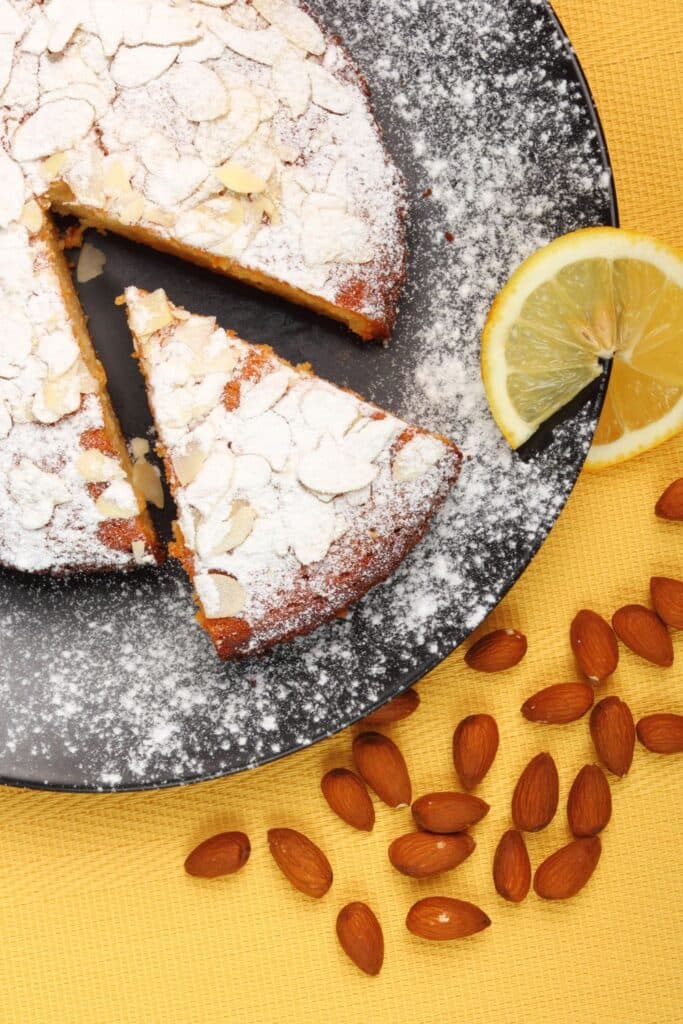
 Nigella Lemon Polenta Cake is a bright, tender, and comforting bake with a lovely balance of sharp citrus and gentle sweetness. Made with ground almonds and fine polenta instead of flour, this cake has a soft crumb with a subtle texture that makes every bite interesting.
It’s a reliable cake for afternoon tea, relaxed weekends, or when you want a dessert that feels special but is easy to prepare. The lemon syrup poured over the warm cake keeps it moist and gives it that classic Nigella-style finish.
What Exactly Is Nigella Lemon Polenta Cake?
Nigella Lemon Polenta Cake is a flourless-style cake made with ground almonds, fine polenta, butter, eggs, and fresh lemons. The polenta adds structure and a delicate grain, while the almonds bring richness. Once baked, the cake is soaked with a lemon syrup that seeps into the sponge, creating a moist, fragrant result that improves with time.
Try Other Nigella Recipes
- Nigella Chocolate Self-Saucing Pudding
- Nigella Chocolate Birthday Cake with Condensed Milk
- Nigella Gluten-Free Chocolate Cake
- Nigella Flourless Chocolate Almond Cake
Why This Recipe Is a Must-Try
- Naturally gluten-free – Uses polenta and almonds instead of flour
- Moist for days – Lemon syrup keeps the cake soft and tender
- Bright citrus flavour – Fresh lemon runs through the entire cake
- Simple ingredients – Pantry staples with no complicated steps
- Reliable results – Bakes evenly and holds its shape well
Key Ingredients Needed for Nigella Lemon Polenta Cake
- 225g unsalted butter, softened
- 225g caster sugar
- 3 large eggs
- Zest of 2 lemons
- Juice of 2 lemons
- 200g ground almonds
- 100g fine polenta
- 1½ tsp baking powder (gluten-free if required)
For the lemon syrup
- Juice of 1 lemon
- 125g icing sugar
Equipments
- Mixing bowl
- Electric whisk or wooden spoon
- Measuring jug
- 23cm round springform cake tin
- Baking paper
- Small saucepan
- Skewer
- Oven
Instructions to Make Nigella Lemon Polenta Cake
- Cream the base ingredients – Beat butter and sugar together until pale and fluffy.
- Add the eggs gradually – Beat in the eggs one at a time, mixing well after each addition.
- Incorporate lemon zest – Stir in the zest to release its aroma into the batter.
- Fold in dry ingredients – Add ground almonds, polenta, and baking powder, folding gently.
- Transfer to tin – Spoon the mixture into a lined tin and level the surface.
- Bake until set – Bake at 170°C (340°F) for 40–45 minutes until golden and firm.
- Prepare the syrup – Heat lemon juice and icing sugar gently until dissolved.
- Soak the cake – Pierce the warm cake with a skewer and pour the syrup evenly over the top.
Common Mistakes I Made (And How I Fixed Each One)
- Cake turning crumbly – Using fine polenta instead of coarse improved structure.
- Dry texture – Pouring syrup while the cake was still warm fixed this instantly.
- Over-browning on top – Covering loosely with foil prevented excess colour.
- Uneven baking – Baking on the middle shelf gave consistent results.
- Syrup pooling – Pricking the cake evenly helped it absorb properly.
Healthier Version of Nigella Lemon Polenta Cake
- Reduce sugar slightly – Lemon flavour still shines through clearly
- Use olive oil instead of butter – Creates a lighter crumb with less saturated fat
- Add yoghurt – Replacing some butter with yoghurt keeps moisture high
- Serve without extra sugar topping – The syrup alone is enough
- Enjoy smaller slices – This cake is rich, so a little goes a long way
What to Pair With Nigella Lemon Polenta Cake
- Greek yoghurt – Adds gentle tang and creaminess
- Light whipped cream – Softens the citrus sharpness
- Fresh berries – Balance the sweetness naturally
- Herbal tea – Complements the lemon aroma
- Espresso or black coffee – Cuts through the richness
Pro Tips to Get Perfect Nigella Lemon Polenta Cake Every Time
- Use fine polenta – Ensures a soft, even crumb
- Zest lemons before juicing – Makes prep easier and cleaner
- Beat butter thoroughly – Traps air for a lighter texture
- Bake until just set – Overbaking dries the cake
- Apply syrup slowly – Helps even absorption
- Cool fully before slicing – Allows the cake to firm up properly
- Store wrapped tightly – Keeps the cake moist for days
Easy Variations of Nigella Lemon Polenta Cake
- Orange polenta cake – Swap lemons for oranges
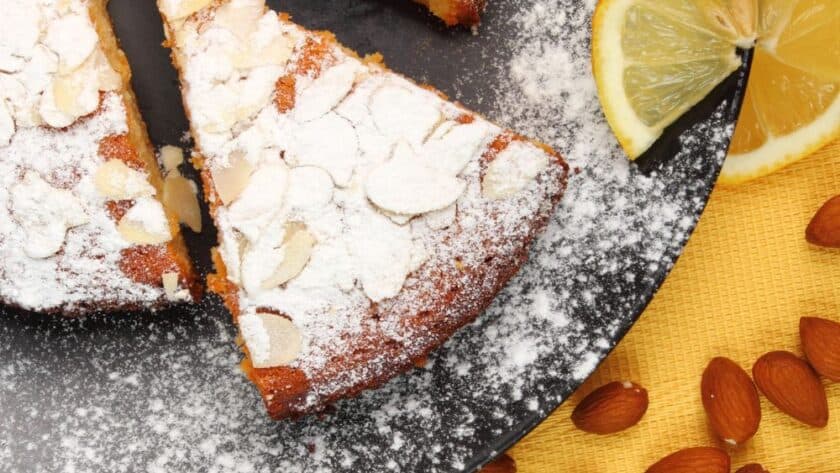
- Lemon and almond drizzle – Add flaked almonds on top
- Rose-scented version – Add a drop of rose water to the syrup
- Lemon and thyme twist – Subtle herbal note works beautifully
- Dairy-free option – Use plant-based butter
- Extra syrup finish – Serve with warm lemon syrup on the side
How to Store Nigella Lemon Polenta Cake the Right Way
- Wrap once fully cooled – Prevents moisture loss
- Store at room temperature – Keeps well for up to 3 days
- Refrigerate for longer storage – Lasts up to 5 days
- Freeze individual slices – Ideal for make-ahead portions
- Defrost slowly – Maintains texture and flavour
The Best Ways to Reheat Nigella Lemon Polenta Cake
- Serve at room temperature – Brings out lemon aroma best
- Warm gently in the oven – Low heat only
- Avoid long microwaving – Can dry the crumb
- Add yoghurt or cream – Restores moisture if needed
Nutrition (Per Serving)
- Calories: ~390
- Protein: 9g
- Carbohydrates: 32g
- Fat: 25g
- Fiber: 3g
- Sugars: 26g
Nigella’s Lemon Polenta Cake
Nigella Lemon Polenta Cake is a flourless-style cake made with ground almonds, fine polenta, butter, eggs, and fresh lemons. The polenta adds structure and a delicate grain, while the almonds bring richness. Once baked, the cake is soaked with a lemon syrup that seeps into the sponge, creating a moist, fragrant result that improves with time.
- Prep Time: 15
- Cook Time: 45
- Total Time: 1 hour
- Yield: 8 1x
- Category: Cake
- Method: Baking
- Cuisine: British
Ingredients
-
225g unsalted butter, softened
-
225g caster sugar
-
3 large eggs
-
Zest of 2 lemons
-
Juice of 2 lemons
-
200g ground almonds
-
100g fine polenta
-
1½ tsp baking powder (gluten-free if required)
For the lemon syrup
-
Juice of 1 lemon
-
125g icing sugar
Instructions
-
Cream the base ingredients – Beat butter and sugar together until pale and fluffy.
-
Add the eggs gradually – Beat in the eggs one at a time, mixing well after each addition.
-
Incorporate lemon zest – Stir in the zest to release its aroma into the batter.
-
Fold in dry ingredients – Add ground almonds, polenta, and baking powder, folding gently.
-
Transfer to tin – Spoon the mixture into a lined tin and level the surface.
-
Bake until set – Bake at 170°C (340°F) for 40–45 minutes until golden and firm.
-
Prepare the syrup – Heat lemon juice and icing sugar gently until dissolved.
-
Soak the cake – Pierce the warm cake with a skewer and pour the syrup evenly over the top.
FAQs
Why is my lemon polenta cake crumbly after baking?
Lemon polenta cake can turn crumbly if coarse polenta is used or if the cake is overbaked. Always use fine polenta and remove the cake as soon as it’s just set. Pouring the lemon syrup over the cake while it’s still warm also helps bind the crumb and keep it moist.
When should I pour the lemon syrup over the polenta cake?
The syrup should be poured over the cake immediately after baking, while the cake is still warm. Pricking the surface with a skewer first allows the syrup to soak in evenly, giving the cake its signature moist texture.
Can I make lemon polenta cake ahead of time?
Yes, lemon polenta cake is ideal for making ahead. The flavour actually improves after a few hours as the syrup settles into the cake. Store it wrapped at room temperature for up to 3 days or refrigerate it for longer freshness.
Why did my lemon polenta cake sink slightly in the middle?
A slight dip can happen if the cake is underbaked or if the oven door is opened too early. Bake on the middle shelf and avoid checking before the 35-minute mark. Letting the cake cool gradually in the tin also helps it hold its shape.
Final Thoughts
Nigella Lemon Polenta Cake is a dependable, comforting bake that delivers bold citrus flavour and a beautifully moist texture. It’s simple to prepare, keeps well, and feels just as suitable for everyday tea as it does for special occasions. With its gentle crumb and syrup-soaked finish, this is the kind of cake that quietly earns a permanent place in your baking routine.