
 Anabelle Mclean
 If you’re looking for a supremely moist, tender loaf cake that bursts with bright citrus flavor, the Nigella Lemon Yogurt Cake is your answer. It’s the kind of simple, reliable recipe that feels both special and comforting. With a total time of about 70 minutes, it’s a straightforward bake perfect for beginners, though the syrup soak requires a bit of timing.
This cake is ideal for a weekend treat, a casual dessert after dinner, or a lovely addition to a brunch table. Its texture is what really sets it apart—incredibly soft and velvety, thanks to the Greek yogurt and oil. Just be ready to work quickly when the cake comes out of the oven for the syrup.
What Exactly Is Nigella Lemon Yogurt Cake?
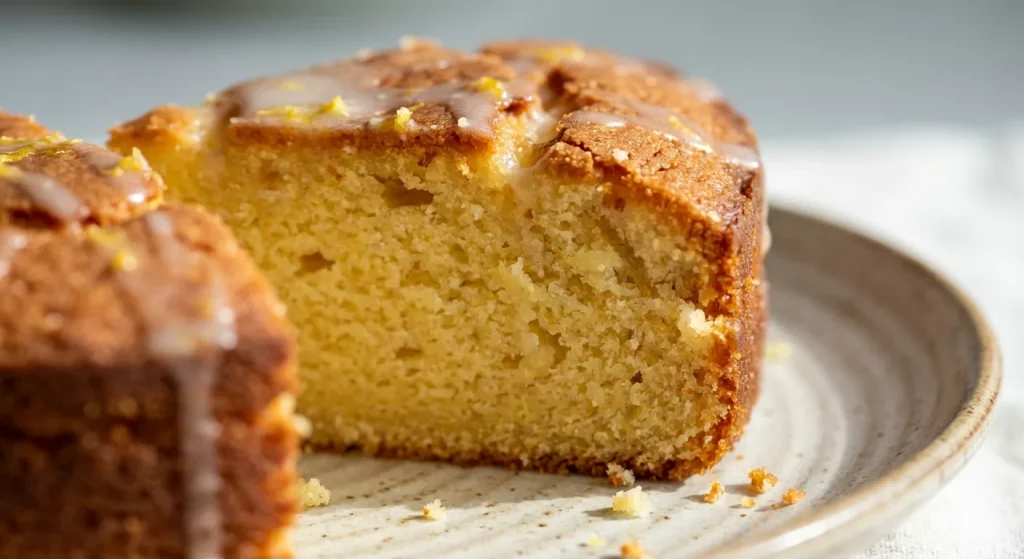
This is a classic American-style loaf cake, celebrated for its moist crumb and intense lemon flavor. Unlike a dense pound cake, it has a lighter, more delicate texture. What defines it is the double hit of lemon: zest in the batter and a sweet-tart syrup poured over the warm cake.
The use of full-fat Greek yogurt is non-negotiable. It provides the tangy richness and moisture that make this teatime cake so special. The optional lemon glaze on top adds a final layer of sweetness and a beautiful finish, making it look as good as it tastes.
Why This Recipe Is a Must-Try
After making this countless times, I keep coming back for a few key reasons.
- Unbeatable Moisture — The combination of oil and Greek yogurt creates a cake that stays tender for days, avoiding the dryness that plagues many loaves.
- Bright, Balanced Flavor — Rubbing the lemon zest into the sugar infuses every bite, while the syrup soak ensures the citrus isn’t just a surface note.
- Surprisingly Simple — You don’t need a stand mixer or any fancy techniques. A couple of bowls and a whisk will get you there.
- Versatile Serving — It’s equally at home with a cup of afternoon tea as it is served as a dessert with a dollop of whipped cream.
- Consistent Results — This recipe is forgiving. As long as you avoid overmixing the batter, you’re almost guaranteed a perfect rise and texture.
Key Ingredients Needed for Nigella Lemon Yogurt Cake
Every ingredient here has a specific job. Here’s what you’ll need and why it matters.
- 1 1/2 cups (180g) all-purpose flour, sifted — This provides the structure. Sifting it first aerates the flour for a lighter crumb.
- 2 teaspoons baking powder — This is the primary leavening agent that gives the cake its lift.
- 1/2 teaspoon fine sea salt — It balances the sweetness and enhances all the other flavors.
- 1 cup (200g) granulated sugar — Sweetens the cake and, when combined with the zest, becomes the flavor base.
- 3 large eggs, at room temperature — They bind the batter and help create a stable, airy structure when beaten well.
- 1 cup (240ml) full-fat plain Greek yogurt — The star ingredient. It adds tang, moisture, and creates an incredibly tender texture.
- 1/2 cup (120ml) vegetable oil — This keeps the cake moist far longer than butter would.
- Zest of 2 large lemons (about 2 tablespoons) — This is where the real lemon flavor lives. Don’t skip it.
- 2 tablespoons fresh lemon juice (for batter) — Adds a hit of acidity to the batter itself.
- 1 teaspoon pure vanilla extract — A background note that rounds out the citrus flavor beautifully.
- 1/4 cup (60ml) fresh lemon juice (for syrup) — The base of the soaking syrup that makes the cake so juicy.
- 1/4 cup (50g) granulated sugar (for syrup) — Dissolves with the lemon juice to create the penetrating syrup.
- 1 cup (120g) confectioners’ sugar, sifted (for glaze) — Creates a smooth, sweet glaze for the top.
- 2-3 tablespoons fresh lemon juice (for glaze) — Thins the confectioners’ sugar and adds more tang.
Equipment
- 9×5-inch Loaf Pan — The standard size for this recipe.
- Parchment Paper — For lining the pan and ensuring easy removal.
- Medium and Large Mixing Bowls — One for dry ingredients, one for wet.
- Whisk and Spatula — For combining ingredients gently.
- Hand Mixer (optional but helpful) — For beating the eggs and sugar to the right volume.
- Small Saucepan — For making the simple lemon syrup.
- Wire Cooling Rack — Essential for letting the cake cool properly.
Instructions to Make Nigella Lemon Yogurt Cake
The process is straightforward, but a few details make all the difference. Here is how I walk through it.
- Prepare the Pan and Oven — Preheat your oven to 350°F (177°C). Grease and line your 9×5-inch loaf pan with parchment paper, leaving an overhang on the long sides. This guarantees you can lift the delicate cake out without it breaking.
- Combine Dry Ingredients — In a medium bowl, whisk the sifted flour, baking powder, and salt together. This even distribution prevents pockets of baking powder in the finished cake.
- Infuse the Sugar — In a large bowl, combine the sugar and lemon zest. Use your fingertips to rub them together for a full minute. You’ll see the sugar become damp and fragrant—this is the flavor secret.
- Beat Eggs and Sugar — Add the room-temperature eggs to the lemon sugar. Beat with a hand mixer on medium-high for 3-4 minutes until pale, thick, and doubled. This incorporates air for a good rise.
- Add Wet Ingredients — With the mixer on low, slowly stream in the oil. Then add the yogurt, the 2 tablespoons of lemon juice, and vanilla. Mix just until the batter is smooth and uniform.
- Fold in Dry Ingredients — Add the flour mixture in two parts, folding gently with a spatula after each until just combined. Stop as soon as you see no dry streaks. Overmixing here is the main cause of a tough cake.
- Bake — Pour the batter into the prepared pan, smooth the top, and tap it firmly on the counter to release air bubbles. Bake for 45-55 minutes, until a toothpick comes out clean and the top is golden and springy.
- Make the Syrup — While the cake bakes, combine the 1/4 cup each of lemon juice and sugar in a small saucepan. Heat over medium-low, stirring, just until the sugar dissolves—about 2-3 minutes. Do not let it boil. Set it aside.
- Soak the Cake — As soon as the cake is out of the oven, place the pan on a rack. Poke deep holes all over the top with a skewer. Slowly pour the warm syrup evenly over the surface, letting it soak in completely. This step is non-negotiable for moisture.
- Cool in Pan — Let the cake cool in the pan for only 20 minutes. Any longer and the steam can make the bottom soggy. Then, use the parchment paper to lift it onto the rack to cool completely.
- Add the Glaze (Optional) — Once completely cool, whisk the sifted confectioners’ sugar with 2 tablespoons of lemon juice. Add the extra tablespoon if needed for a pourable consistency. Drizzle it over the cake.
- Slice and Serve — Let the glaze set for 30 minutes. Use a sharp serrated knife in a gentle sawing motion for clean slices. Serve at room temperature to appreciate the texture fully.
Common Mistakes I Made (And How I Fixed Each One)
I did not get this right on the first try. Here is what tripped me up.
- Overmixing the Batter — Vigorously stirring after adding the flour developed the gluten, giving me a dense, rubbery loaf. The fix is to fold gently and stop the moment the last streak of flour disappears.
- Skipping the Sugar-Zest Rub — I once just stirred them together. The lemon flavor was faint. Rubbing them for a full minute releases the essential oils and makes all the difference.
- Pouring Cold Syrup — If the syrup cools completely, it doesn’t absorb as well. I now make sure it’s still warm (not hot) when the cake comes out of the oven.
- Cutting Too Soon — Slicing into a warm cake, especially before glazing, causes it to crumble and squish. Letting it cool completely is crucial for the structure to set.
- Using Low-Fat Yogurt — I tried it once to save calories. The cake was noticeably less tender and moist. Full-fat Greek yogurt is essential for the right texture.
Healthier Version of Nigella Lemon Yogurt Cake
You can make a few swaps for a slightly lighter cake, but expect some textural changes.
- Reduce the Sugar — Cut the granulated sugar in the cake to 3/4 cup (150g). The flavor will be less sweet, but the lemon will shine through more.
- Swap the Oil — Replace the vegetable oil with an equal amount of mild olive oil or melted coconut oil. This changes the flavor profile slightly but keeps the moisture.
- Use Whole Wheat Flour — Substitute half the all-purpose flour with whole wheat pastry flour. Expect a slightly denser, nuttier crumb.
- Skip the Glaze — Omitting the confectioners’ sugar glaze saves a significant amount of sugar. The cake is plenty sweet and flavorful from the syrup alone.
What to Pair With Nigella Lemon Yogurt Cake
This citrus loaf is wonderfully versatile. Here are my favorite ways to serve it.
- A Cup of Earl Grey Tea — The bergamot in the tea complements the bright lemon flavor perfectly for an afternoon treat.
- Fresh Berries and Cream — A side of raspberries or blueberries with a dollop of lightly sweetened whipped cream turns it into a proper dessert.
- Lemon Curd — For the ultimate lemon lover, serve a slice with a spoonful of sharp, homemade lemon curd on the side.
- Vanilla Ice Cream — A small scoop of good vanilla ice cream alongside a warm slice is a simple, classic combination.
- Brunch Spread — It fits right in on a table with savory quiches, fresh fruit, and crispy bacon.
Pro Tips to Get Perfect Nigella Lemon Yogurt Cake Every Time
- Room Temperature Eggs are Key — They incorporate more air when beaten, leading to a better rise. Take them out of the fridge at least 30 minutes before you start.
- Measure Flour Correctly — Spoon the flour into your measuring cup and level it off. Scooping directly packs the flour down, leading to a dry cake.
- Test for Doneness Early — Start checking with a toothpick at the 45-minute mark. Overbaking is the enemy of moisture.
- Poke Holes Thoroughly — Don’t be shy when poking the cake for the syrup. More holes mean the syrup penetrates deeper, ensuring every slice is juicy.
- Cool Completely Before Glazing — If the cake is even slightly warm, the glaze will melt and slide right off. Patience pays off here.
- Use a Serrated Knife — A gentle sawing motion with a serrated knife gives you clean slices without compressing the tender crumb.
Easy Variations of Nigella Lemon Yogurt Cake
This recipe is a fantastic canvas. Here are a few twists I’ve loved.
- Lime and Coconut — Replace the lemon zest and juice with lime. Fold 1/2 cup of unsweetened shredded coconut into the batter before baking.
- Blueberry Lemon — Toss 1 cup of fresh blueberries with a tablespoon of the flour mixture, then gently fold them into the batter at the very end.
- Orange and Almond — Use orange zest and juice instead of lemon. Replace 1/4 cup of the flour with an equal amount of finely ground almond meal.
- Lavander Infused — Add 1 teaspoon of culinary lavender buds to the sugar when you rub it with the lemon zest for a subtle floral note.
- Poppy Seed — Stir 2 tablespoons of poppy seeds into the dry ingredients for a classic lemon-poppy seed combination.
How to Store Nigella Lemon Yogurt Cake the Right Way
- Room Temperature (Short Term) — Once completely cool, store the cake in an airtight container at room temperature. It will keep its best texture for up to 3 days.
- Freezing (Unglazed) — Wrap the completely cooled, unglazed cake tightly in plastic wrap, then in foil. Freeze for up to 3 months. Thaw overnight at room temperature before glazing and serving.
- Refrigerator (Glazed) — If your kitchen is very warm, you can store the glazed cake in the fridge in an airtight container for up to 5 days. Let slices come to room temperature before eating for the best flavor and texture.
- Slicing for Portions — If you only want a slice at a time, slice the entire cake and place parchment between slices before freezing. This lets you grab a single portion without thawing the whole loaf.
The Best Ways to Reheat Nigella Lemon Yogurt Cake
- Oven Method — Wrap a slice in foil and warm in a 300°F (149°C) oven for 5-7 minutes. This gently revives the moisture without drying it out.
- Microwave (Quick Fix) — Place a single slice on a microwave-safe plate and heat for 10-15 seconds. Any longer and it can become tough or gummy.
- Toaster Oven — For a slightly crisped edge, place a slice directly on the rack of a toaster oven at 300°F (149°C) for 3-4 minutes. Watch it closely.
Nutrition (Per Serving)
Based on 1 serving = 1 slice out of 4 total.
- Calories: 485
- Protein: 9g
- Fat: 22g
- Carbohydrates: 66g
- Fiber: 1g
- Sugar: around 45g
- Sodium: roughly 380mg
FAQs
Can I make Nigella Lemon Yogurt Cake without a hand mixer?
Absolutely. Use a sturdy whisk and some elbow grease. The key is to beat the eggs and lemon sugar vigorously until the mixture is thick, pale, and falls from the whisk in a ribbon. It will just take a bit longer.
Can I use regular yogurt instead of Greek yogurt?
I don’t recommend it. Regular yogurt has more whey and less protein, which can make the batter too thin and the final texture less stable. Full-fat Greek yogurt provides the necessary thickness and richness.
How long does Nigella Lemon Yogurt Cake last?
Stored properly in an airtight container at room temperature, it stays moist and delicious for about 3 days. After that, it’s best to freeze any leftovers.
My syrup crystallized. What did I do wrong?
You likely boiled it or cooked it too long. The goal is just to dissolve the sugar. Heat it over medium-low, stirring constantly, and remove it from the heat the moment the last grain of sugar disappears.
Can I freeze the glazed cake?
You can, but the glaze may become sticky and lose its sheen when thawed. For the best results, freeze the unglazed cake and add the fresh glaze after it has fully thawed.
Why did my cake sink in the middle?
This is usually due to underbaking or opening the oven door too early. Ensure a toothpick comes out completely clean, and try not to open the oven door for at least the first 40 minutes of baking.
Final Thoughts
This recipe has earned a permanent spot in my baking rotation for its reliability and sheer deliciousness. The Nigella Lemon Yogurt Cake is more than just a dessert; it’s a little moment of sunshine you can bake any day of the week. I hope it brings as much joy to your kitchen as it has to mine.
Try Other Nigella Recipes
- Nigella Fudge Cake
- Nigella Mars Bar Cake
- Nigella Marzipan Cake
- Nigella Chocolate Yogurt Cake
- Nigella Pear Cake
Nigella Lemon Yogurt Cake

This supremely moist, tender loaf cake gets its delicate crumb from full-fat Greek yogurt and a generous amount of bright lemon. The simple lemon syrup soak ensures every bite is bursting with citrus flavor, while the optional glaze adds a beautiful finish and extra tang.
- Prep Time: 20
- Cook Time: 50
- Total Time: 70
- Yield: 4 1x
- Category: Dessert
- Method: Baking
- Cuisine: American
Ingredients
- For the Cake:
- 1 1/2 cups (180g) all-purpose flour, sifted
- 2 teaspoons baking powder
- 1/2 teaspoon fine sea salt
- 1 cup (200g) granulated sugar
- 3 large eggs, at room temperature
- 1 cup (240ml) full-fat plain Greek yogurt
- 1/2 cup (120ml) vegetable oil
- Zest of 2 large lemons (about 2 tablespoons)
- 2 tablespoons fresh lemon juice
- 1 teaspoon pure vanilla extract
- For the Lemon Syrup:
- 1/4 cup (60ml) fresh lemon juice
- 1/4 cup (50g) granulated sugar
- For the Optional Glaze:
- 1 cup (120g) confectioners’ sugar, sifted
- 2–3 tablespoons fresh lemon juice
Instructions
- Preheat your oven to 350°F (177°C). Grease a standard 9×5-inch loaf pan with butter or non-stick spray, then line it with parchment paper, leaving an overhang on the two long sides. This ensures easy removal after baking and prevents the delicate cake from sticking and tearing.
- In a medium bowl, whisk together the sifted flour, baking powder, and fine sea salt until thoroughly combined. Sifting the flour aerates it, leading to a lighter cake texture, while whisking ensures the leavening agent is evenly distributed for consistent rise.
- In a large mixing bowl, combine the granulated sugar and lemon zest. Use your fingertips to rub the zest into the sugar for about a minute. This process releases the essential oils from the zest, infusing the sugar with intense lemon flavor that permeates the entire batter.
- Add the room-temperature eggs to the lemon sugar. Using a hand mixer or a sturdy whisk, beat on medium-high speed for 3-4 minutes until the mixture is pale, thick, and has doubled in volume. This step incorporates air, which is crucial for the cake’s structure and lift.
- With the mixer on low speed, gradually stream in the vegetable oil until fully incorporated. Then, add the Greek yogurt, 2 tablespoons of lemon juice, and vanilla extract, mixing just until smooth. The oil and yogurt provide unparalleled moisture and a tender, velvety crumb.
- Add the dry flour mixture to the wet ingredients in two additions, folding gently with a spatula after each until just combined and no dry streaks remain. Overmixing at this stage will develop the gluten in the flour, resulting in a tough, dense cake.
- Pour the batter into the prepared loaf pan and smooth the top with a spatula. Tap the pan firmly on the counter 2-3 times to release any large air bubbles. Bake on the center rack for 45-55 minutes, or until a toothpick inserted into the center comes out clean and the top is golden brown and springs back when lightly pressed.
- While the cake bakes, make the lemon syrup. In a small saucepan, combine 1/4 cup lemon juice and 1/4 cup granulated sugar. Heat over medium-low heat, stirring constantly, just until the sugar dissolves completely—about 2-3 minutes. Do not let it boil or reduce. Remove from heat and set aside.
- As soon as the cake comes out of the oven, place the pan on a wire rack. Immediately poke deep holes all over the top of the warm cake using a skewer or toothpick. Slowly pour the warm lemon syrup evenly over the surface, allowing it to soak in completely. This step keeps the cake incredibly moist and intensifies the lemon flavor.
- Let the cake cool in the pan for 20 minutes. Then, using the parchment paper overhang, carefully lift the cake out and transfer it to the wire rack to cool completely. Cooling in the pan for too long can cause steam to make the bottom soggy.
- For the optional glaze, whisk together the sifted confectioners’ sugar and 2 tablespoons of lemon juice in a small bowl until smooth. Add the remaining tablespoon of juice if needed to reach a thick but pourable consistency. Drizzle the glaze over the completely cooled cake.
- Allow the glaze to set for at least 30 minutes before slicing. Use a sharp, serrated knife in a gentle sawing motion for clean slices. The cake is best served at room temperature to fully appreciate its moist, tender texture and bright citrus flavor.
Notes
Storage: Store the cooled, glazed or unglazed cake in an airtight container at room temperature for up to 3 days. For longer storage, wrap the cooled cake tightly in plastic wrap and then foil and freeze for up to 3 months. Thaw overnight at room temperature. The cake does not require reheating but can be briefly warmed in a 300°F (149°C) oven for 5-7 minutes if desired.
Nutrition
- Calories: 485
- Sugar: 45g
- Sodium: 380mg
- Unsaturated Fat: 3.5g
- Trans Fat: 22g
- Carbohydrates: 66g
- Fiber: 1g
- Protein: 9g
- Cholesterol: 105mg
Keywords: nigella lemon yogurt cake, lemon yogurt loaf, moist lemon cake, easy lemon dessert, yogurt cake recipe, one-bowl cake, citrus pound cake, afternoon tea cake, weekend baking, simple dessert, Nigella Lawson inspired, Greek yogurt cake