 Anabelle Mclean
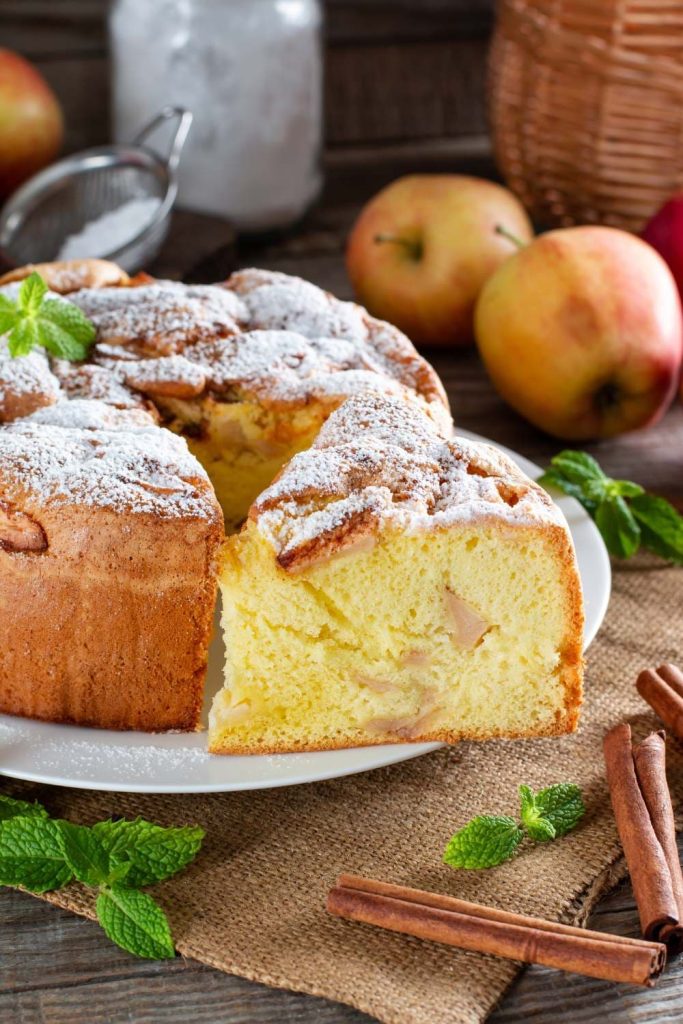
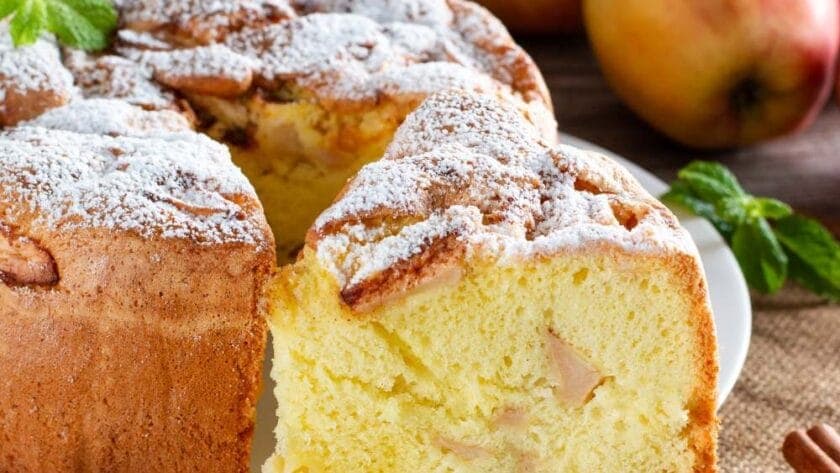
 Nigella Italian Apple Cake is one of those quiet, reliable bakes that wins people over after the first forkful. It is tender, buttery, lightly sweet, and full of soft apple slices, with a delicate crumb that feels almost like a soft cushion around the fruit.
I love making this when I want something comforting without turning on the oven. It works beautifully for a relaxed weekend, a simple family pudding, or even a not-too-sweet afternoon treat, and the full cooking time is just 65 minutes using everyday ingredients, a stovetop method, and a 9-inch skillet.
What Exactly Is Nigella Italian Apple Cake?
Nigella Italian Apple Cake is a stovetop adaptation of an Italian-style apple cake made with thin slices of apple folded through a buttery batter. The result is soft, moist, and fruit-forward, with a gentle golden top and a faint caramel aroma.
What makes it stand out? For me, it is the balance. It is not flashy or overloaded, just honest baking: apples, butter, sugar, eggs, flour, and vanilla working together like a well-rehearsed little orchestra.
Why This Recipe Is a Must-Try
- Stovetop simplicity — You do not need to heat the oven to make Nigella’s Italian Apple Cake, which is handy on warm days or when your oven is busy.
- Apple-rich texture — Two-thirds of the apples go into the batter, so every slice feels packed with fruit rather than padded with too much sponge.
- Gentle sweetness — The flavor stays balanced, not cloying, with lemon juice sharpening the buttery sweetness just enough.
- Beautiful finish — The sugar on top gives the surface a lightly crisp edge while the apples settle into soft overlapping circles.
- Small-batch comfort — With 4 servings, it is ideal when you want a homemade cake without being left with half the kitchen full of leftovers.
- Flexible serving style — Serve it warm or at room temperature, and it still tastes lovely either way, which is rare for such a tender cake.
Key Ingredients Needed for Nigella Italian Apple Cake
- Apples — 2 medium apples, peeled, cored, and cut into thin 1/8-inch slices, bring softness, moisture, and the heart of the cake’s flavor.
- Fresh lemon juice — 1 tbsp keeps the apples from browning and adds a bright note against the butter and sugar.
- All-purpose flour — 1 cup gives the cake structure while still keeping the crumb tender.
- Baking powder — 1 tsp helps the batter rise evenly, which matters even more in a stovetop cake.
- Fine sea salt — 1/4 tsp sharpens the sweetness and keeps the flavor from tasting flat.
- Unsalted butter — 8 tbsp softened, plus 1 tsp for greasing the pan, creates richness and that soft, buttery crumb.
- Granulated sugar — 1/2 cup sweetens the batter and helps with the creaming stage for a lighter texture.
- Eggs — 2 large eggs add lift, richness, and help the batter hold together around the apples.
- Whole milk — 1/4 cup of room-temperature milk loosens the batter and keeps the cake moist.
- Vanilla extract — 1 tsp gives a warm, mellow background note that suits apple beautifully.
- Topping sugar — 2 tbsp granulated sugar sprinkled over the top gives a lightly crisp finish and extra golden color.
Equipment
- Skillet — A 9-inch heavy-bottomed nonstick skillet or deep sauté pan is essential for even stovetop cooking.
- Bowls — You will need a medium bowl and a separate mixing bowl for the dry and wet ingredients.
- Whisk — This helps distribute the baking powder and salt properly through the flour.
- Hand mixer — Beating the butter and sugar until pale and fluffy is much easier with one.
- Flexible spatula — Useful for folding in the flour and apples without overworking the batter.
- Lid and kitchen towel — The towel-wrapped lid traps heat while catching condensation so the cake top stays dry rather than gummy.
Instructions to Make Nigella Italian Apple Cake
- Prepare the pan — Grease a 9-inch heavy-bottomed nonstick skillet or deep sauté pan with 1 teaspoon butter, coating the bottom and sides evenly so the cake releases cleanly. Line the bottom with a round of parchment if your pan is not reliably nonstick, as this is the safest way to prevent the apple-rich batter from catching during the long covered cook.
- Coat the apples — Put the sliced apples in a bowl and toss them with the lemon juice until lightly coated. This keeps the apples from discoloring and adds enough acidity to sharpen the otherwise buttery, sweet flavor of the finished cake.
- Mix the dry ingredients — In a medium bowl, whisk together the all-purpose flour, baking powder, and fine sea salt for 30 seconds so the leavening is evenly distributed. Do not skip this step, because unevenly mixed baking powder can cause patchy lift and a dense streak through the center.
- Cream butter and sugar — In a separate mixing bowl, beat the softened butter and 1/2 cup granulated sugar with a hand mixer for 2 to 3 minutes until pale and fluffy. Proper creaming incorporates air, which is especially important in a stovetop cake where the rise is gentler than in an oven; stop and scrape the bowl once so no dense butter remains on the sides.
- Add the eggs — Add the eggs one at a time, beating well after each addition until fully absorbed and glossy. If the mixture looks slightly curdled, that is acceptable, but avoid adding both eggs at once or the batter can lose volume and bake up heavy.
- Finish the batter — Beat in the whole milk and vanilla extract on low speed just until combined. Add the flour mixture and fold with a flexible spatula until no dry streaks remain; mix only until smooth, because overworking the flour will toughen the crumb.
- Fold in most of the apples — Fold in about two-thirds of the apple slices, separating them with your fingers as needed so they do not clump. The batter will seem generously filled with fruit, which is correct; this cake should be apple-forward rather than batter-heavy.
- Fill and top the pan — Spread the batter evenly into the prepared skillet and smooth the top with an offset spatula or the back of a spoon. Arrange the remaining apple slices over the surface in overlapping circles, then sprinkle the top evenly with the remaining 2 tablespoons granulated sugar for a lightly crisp finish.
- Cover for stovetop cooking — Set the skillet over the lowest possible heat and cover it tightly with a lid wrapped underneath with a clean kitchen towel, making sure the towel ends are secured well away from the flame or burner. The towel catches condensation so water does not drip onto the cake, which helps the surface cook more evenly instead of turning wet or gummy.
- Cook gently — Cook for 30 minutes on low heat without lifting the lid too often; steady trapped heat is what allows the center to set. After 30 minutes, rotate the pan a half turn to correct any hot spots, then continue cooking 10 to 15 minutes more until the top looks dry, the edges are lightly golden, and a skewer inserted in the center comes out with only a few moist crumbs.
- Rest the cake — Turn off the heat and let the cake rest, still covered, for 5 minutes so the residual steam finishes the center gently. Then uncover and cool the cake in the pan for another 10 minutes; moving it too soon can cause the tender crumb around the apples to tear.
- Unmould and serve — Run a thin spatula around the edge, invert the cake onto a plate if desired, and then turn it right side up onto a serving platter. Serve warm or at room temperature; for an oven alternative, bake the same batter in a greased 9-inch cake pan at 350°F / 177°C for 35 to 40 minutes, until the top is golden and a tester comes out clean.
Common Mistakes I Made (And How I Fixed Each One)
- The apples were too thick — Thick slices took longer to soften and made the crumb feel uneven. Cutting them into thin 1/8-inch slices fixed that straight away.
- Overmixing the flour — Once, I kept stirring until the batter looked extra smooth, and the cake turned slightly tougher. Now I fold only until no dry streaks remain.
- Skipping the towel-wrapped lid — Condensation dripped onto the top and left parts of the cake wet. Using a clean kitchen towel under the lid solved the problem neatly.
- Too much heat underneath — A stronger flame browned the bottom before the centre was fully set. The lowest possible heat gives the cake time to cook like a slow, steady heartbeat.
- Lifting the lid too often — Every peek let out trapped heat and delayed the setting time. I now leave it alone for the first 30 minutes, then rotate the pan once.
- Cutting it too early — The crumb tore around the soft apples when I rushed it. Resting it covered for 5 minutes and then cooling for 10 minutes in the pan made a big difference.
Healthier Version of Nigella Italian Apple Cake
- First, reduce the topping sugar — Use 1 tbsp instead of 2 tbsp on top if you want a less sweet finish while keeping that light crispness.
- Next, swap part of the flour — Replace 1/4 cup of the all-purpose flour with 1/4 cup wholemeal flour for a slightly nuttier crumb and a little more fibre.
- Another option is less butter — Use 6 tbsp unsalted butter instead of 8 tbsp in the batter, knowing the cake will be a touch less rich but still tender.
- Then, trim the batter sugar — Drop the 1/2 cup granulated sugar to 1/3 cup if your apples are naturally sweet and you prefer a milder dessert.
- Finally, keep the fruit generous — Add 1 extra small apple alongside the 2 medium apples for more fruit presence without changing the method.
What to Pair With Nigella Italian Apple Cake
- Warm tea — A plain black tea or Earl Grey works beautifully with Nigella Italian Apple Cake because it cuts through the buttery crumb without fighting the apple.
- Cold cream — A spoonful of lightly whipped cream adds softness and feels like putting a cloud next to the cake.
- Vanilla ice cream — Serve a slice warm with a small scoop if you want that hot-and-cold contrast that always lands well.
- Greek yogurt — For a breakfast or brunch-style plate, a dollop of thick yogurt adds tang and keeps things balanced.
- Fresh berries — A few raspberries or blackberries bring brightness and a nice sharp edge against the sweet apples.
- Coffee alongside — A simple coffee makes this cake feel grown-up and unfussy, perfect for an afternoon pause.
Pro Tips to Get Perfect Nigella Italian Apple Cake Every Time
- Reliable nonstick matters — This batter is rich with apples, so a dependable pan helps the cake release cleanly after the long covered cook.
- Room temperature milk helps — Cold milk can tighten the butter mixture and make the batter look uneven, while room temperature milk blends in more smoothly.
- Proper creaming counts — Beating the butter and sugar for 2 to 3 minutes until pale and fluffy builds air, which helps a stovetop cake rise more gently and evenly.
- Separated apple slices work better — If they clump together, you get pockets of fruit rather than even distribution, so loosen them with your fingers as you fold them in.
- Lowest heat wins — Stovetop cake is more like coaxing than forcing; low heat gives the middle time to set before the base overcolours.
- One pan rotation helps — Turning the pan a half turn after 30 minutes corrects hot spots and keeps the cake cooking evenly.
- Moist crumbs are the goal — When the skewer comes out with only a few moist crumbs, the cake is ready; a fully dry tester can mean it has gone a bit too far.
Easy Variations of Nigella Italian Apple Cake
- Cinnamon warmth — Add 1/2 tsp ground cinnamon to the flour mixture for a warmer, more spiced version that still keeps the apple centre stage.
- Lemon-forward twist — Stir 1 tsp finely grated lemon zest into the batter if you want a brighter finish alongside the 1 tbsp fresh lemon juice on the apples.
- Nutty touch — Fold in 2 tbsp finely chopped walnuts with the apples for a little crunch against the soft crumb.
- Vanilla-rich version — Increase the vanilla extract from 1 tsp to 1 1/2 tsp if you prefer a slightly rounder, sweeter aroma.
- Pear swap — Replace 1 of the 2 medium apples with 1 medium firm pear, peeled and cut into thin slices, for a softer, more delicate fruit note.
- Sugar change — Use 2 tbsp light brown sugar instead of 2 tbsp granulated sugar for topping if you want a slightly deeper caramel note on the surface.
How to Store Nigella Italian Apple Cake the Right Way
- At room temperature — Store the cake covered for up to 1 day if your kitchen is cool, and you plan to eat it soon.
- Inside the fridge — Refrigerate leftovers in an airtight container for up to 4 days to keep the crumb from drying out.
- For freezing — Wrap individual slices well, then freeze them for up to 2 months so you can thaw only what you need.
- Before storing — Make sure the cake is fully cool first; otherwise, trapped steam can soften the top too much.
- Best container choice — A snug airtight container works better than loose wrapping because apples hold moisture, and the cake can pick up fridge smells easily.
The Best Ways to Reheat Nigella Italian Apple Cake
- Oven method — Reheat refrigerated slices in a 300°F / 150°C oven for 8 to 10 minutes. This is my favourite way because it warms the centre gently without making the crumb rubbery.
- Stovetop method — Warm slices gently in a covered skillet over low heat for 3 to 4 minutes. It keeps the cake soft and suits the original cooking style perfectly.
- Microwave option — If you are in a rush, heat a slice in short bursts of about 15 to 20 seconds on a standard 800W microwave, checking often; avoid microwaving too long, which can make the crumb rubbery.
- Air fryer shortcut — Use 300°F / 150°C for about 3 to 5 minutes, checking early so the edges do not dry out. It works well for a single slice when you want speed with a lightly refreshed top.
Nutrition (Per Serving)
- Calories — about 485
- Protein — around 6.4g
- Fat — about 23.7g
- Carbohydrates — around 64.1g
- Fiber — about 3.5g
- Sugar — around 38.1g
- Sodium — about 247mg
FAQs
Can I bake Nigella’s Italian Apple Cake in the oven instead?
Yes, you can. Bake the same batter in a greased 9-inch cake pan at 350°F / 177°C for 35 to 40 minutes, until the top is golden and a tester comes out clean.
Which apples work best for Nigella’s Italian Apple Cake?
I like apples that hold their shape and soften nicely without collapsing into mush. Since the slices are thin, almost any medium-eating apple will work as long as it is not overly watery.
Why is my stovetop apple cake gummy on top?
That usually comes from condensation dripping back onto the cake. Wrapping the lid with a clean kitchen towel helps catch that moisture so the top cooks more evenly.
Can I make Nigella’s Italian Apple Cake ahead of time?
Yes, and it holds up well. You can make it earlier in the day and serve it at room temperature, or chill it and reheat slices later.
How do I know when the cake is done?
Look for a dry-looking top, lightly golden edges, and a skewer inserted in the centre coming out with only a few moist crumbs. That is the sweet spot between set and overcooked.
Do I really need parchment in the pan?
Not always, but it is wise if your skillet is not reliably nonstick. This cake is rich with fruit, so a parchment round gives extra insurance when you turn it out.
Final Thoughts
Nigella Italian Apple Cake is simple, soft, and full of quiet charm. If you want a cake that feels homely rather than fussy, this one is well worth making.
I think you will enjoy how much flavour comes from such basic ingredients. Try it once, and it may well become the sort of recipe you keep close, like a good jumper on a cold day.
Try Other Nigella Chocolate Cake Recipes
- Nigella Chocolate Gingerbread Cake
- Nigella Banana Chocolate Cake
- Nigella Lemon Curd Cake
- Nigella Nutella Cake
- Nigella Passionfruit Ice Cream Cake
- Nigella Dorset Apple Cake
Nigella Italian Apple Cake

This stovetop adaptation of an Italian-style apple cake is tender, buttery, and packed with soft slices of apple suspended in a lightly sweet batter. The crumb stays delicate and moist, while the top develops a gentle golden finish and a faint caramel aroma from the apples and sugar.
- Prep Time: 20
- Cook Time: 45
- Total Time: 65
- Yield: 4 1x
- Category: Main Course
- Method: Stovetop
- Cuisine: International
Ingredients
- 2 medium apples, peeled, cored, and cut into thin 1/8-inch slices
- 1 tbsp fresh lemon juice
- 1 cup all-purpose flour
- 1 tsp baking powder
- 1/4 tsp fine sea salt
- 8 tbsp unsalted butter, softened, plus 1 tsp for greasing the pan
- 1/2 cup granulated sugar
- 2 large eggs
- 1/4 cup whole milk, room temperature
- 1 tsp vanilla extract
- 2 tbsp granulated sugar, for topping
Instructions
- Grease a 9-inch heavy-bottomed nonstick skillet or deep sauté pan with 1 teaspoon butter, making sure the bottom and sides are evenly coated so the cake releases cleanly. Line the bottom with a round of parchment if your pan is not reliably nonstick; this is the safest way to prevent the apple-rich batter from catching during the long covered cook.
- Put the sliced apples in a bowl and toss them with the lemon juice until lightly coated. This keeps the apples from discoloring and adds enough acidity to sharpen the otherwise buttery, sweet flavor of the finished cake.
- In a medium bowl, whisk together the all-purpose flour, baking powder, and fine sea salt for 30 seconds so the leavening is evenly distributed. Do not skip this step, because unevenly mixed baking powder can cause patchy lift and a dense streak through the center.
- In a separate mixing bowl, beat the softened butter and 1/2 cup granulated sugar with a hand mixer for 2 to 3 minutes until pale and fluffy. Proper creaming incorporates air, which is especially important in a stovetop cake where the rise is gentler than in an oven; stop and scrape the bowl once so no dense butter remains on the sides.
- Add the eggs one at a time, beating well after each addition until fully absorbed and glossy. If the mixture looks slightly curdled, that is acceptable, but avoid adding both eggs at once or the batter can lose volume and bake up heavy.
- Beat in the whole milk and vanilla extract on low speed just until combined. Add the flour mixture and fold with a flexible spatula until no dry streaks remain; mix only until smooth, because overworking the flour will toughen the crumb.
- Fold in about two-thirds of the apple slices, separating them with your fingers as needed so they do not clump. The batter will seem generously filled with fruit, which is correct; this cake should be apple-forward rather than batter-heavy.
- Spread the batter evenly into the prepared skillet and smooth the top with an offset spatula or the back of a spoon. Arrange the remaining apple slices over the surface in overlapping circles, then sprinkle the top evenly with the remaining 2 tablespoons granulated sugar for a lightly crisp finish.
- Set the skillet over the lowest possible heat and cover it tightly with a lid wrapped underneath with a clean kitchen towel, making sure the towel ends are secured well away from the flame or burner. The towel catches condensation so water does not drip onto the cake, which helps the surface cook more evenly instead of turning wet or gummy.
- Cook for 30 minutes on low heat without lifting the lid too often; steady trapped heat is what allows the center to set. After 30 minutes, rotate the pan a half turn to correct any hot spots, then continue cooking 10 to 15 minutes more until the top looks dry, the edges are lightly golden, and a skewer inserted in the center comes out with only a few moist crumbs.
- Turn off the heat and let the cake rest, still covered, for 5 minutes so the residual steam finishes the center gently. Then uncover and cool the cake in the pan for another 10 minutes; moving it too soon can cause the tender crumb around the apples to tear.
- Run a thin spatula around the edge, invert the cake onto a plate if desired, and then turn it right side up onto a serving platter. Serve warm or at room temperature; for an oven alternative, bake the same batter in a greased 9-inch cake pan at 350°F / 177°C for 35 to 40 minutes, until the top is golden and a tester comes out clean.
Notes
Store covered at room temperature for up to 1 day or refrigerate in an airtight container for up to 4 days. Freeze individual slices, well wrapped, for up to 2 months. Reheat refrigerated slices in a 300°F / 150°C oven for 8 to 10 minutes, or warm gently in a covered skillet over low heat for 3 to 4 minutes; avoid microwaving too long, which can make the crumb rubbery.
Nutrition
- Calories: 485
- Sugar: 38.1g
- Sodium: 247mg
- Unsaturated Fat: 14.2g
- Carbohydrates: 64.1g
- Fiber: 3.5g
- Protein: 6.4g
- Cholesterol: 146mg
Keywords: Nigella Italian apple cake, stovetop apple cake, Italian apple dessert cake, skillet apple cake, apple cake recipe