 Anabelle Mclean
 Nigella Chocolate Gingerbread Cake is one of those bakes that feels a little old-fashioned in the best way. It is dark, moist, deeply spiced, and rich with cocoa, molasses, ginger, cinnamon, and cloves, all cooked gently by a stovetop steaming method in just 75 minutes from start to finish.
I like making this when I want something cosy but still a bit striking. The glossy top, tender crumb, and pudding-like softness make it brilliant for cold evenings, quiet weekends, or a simple dessert when you want chocolate and spice to share the stage.
What Exactly Is Nigella Chocolate Gingerbread Cake?
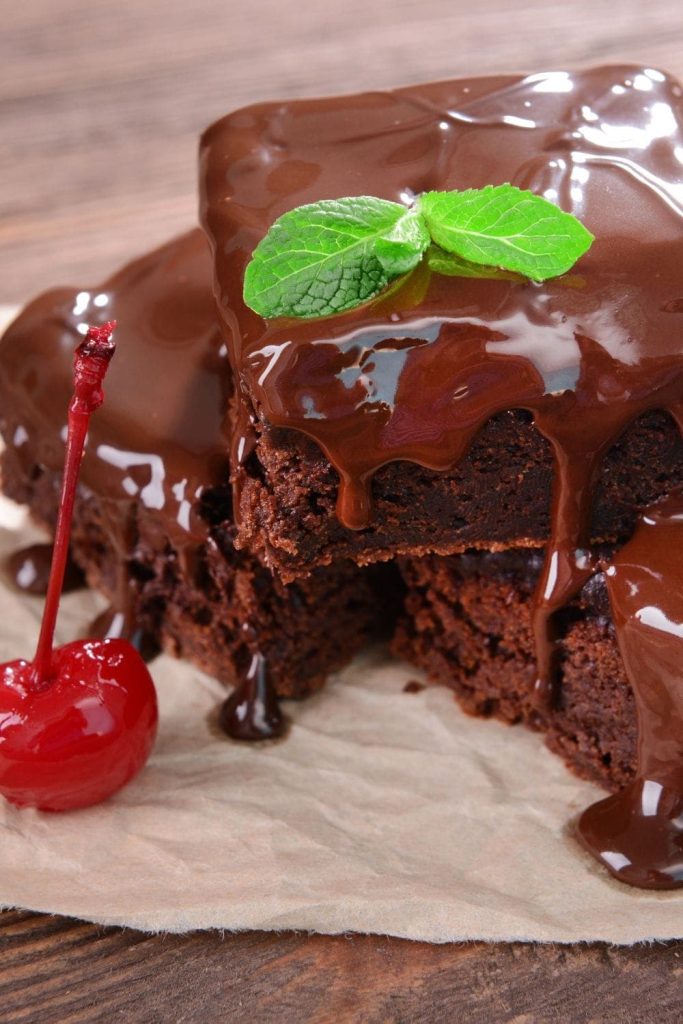
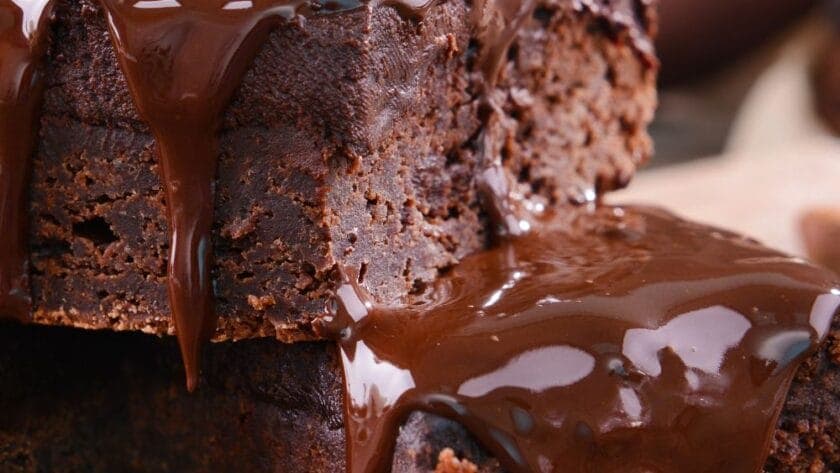
Nigella Chocolate Gingerbread Cake is a steamed chocolate-spice cake with the soul of gingerbread and the depth of a dark cocoa pudding. Instead of baking in a dry oven, it cooks in a covered pan over simmering water, which keeps the crumb exceptionally soft.
That stovetop method is what makes it stand out. You get the bittersweet edge of dark chocolate and molasses, then the warmth of ginger, cinnamon, and cloves rolls in after, almost like a winter coat over a silk lining.
Why This Recipe Is a Must-Try
- Deep flavour — Cocoa and molasses bring a dark, bittersweet richness, while the spices keep every bite warm and balanced rather than flat or sugary.
- Gentle stovetop method — Steaming gives this Nigella Chocolate Gingerbread Cake a tender, pudding-like crumb that stays moist instead of turning dry around the edges.
- Small-batch ease — With 4 servings, it is ideal when you want a proper homemade cake without ending up with leftovers for days.
- Make-ahead friendly — The texture stays soft for days, so it is just as good for preparing ahead as it is for serving warm on the day.
- Simple ingredients — Flour, cocoa, butter, brown sugar, molasses, milk, egg, and spices do all the heavy lifting. Nothing fussy here.
- Flexible finish — Serve it slightly warm or at room temperature, and it still feels complete. Some cakes need dressing up; this one walks in already wearing its best coat.
Key Ingredients Needed for Nigella Chocolate Gingerbread Cake
- All-purpose flour — This gives the cake its structure while still allowing that soft steamed crumb.
- Unsweetened natural cocoa powder, sifted — Cocoa adds the dark chocolate backbone and helps create the cake’s bittersweet flavour.
- Ground ginger — Ginger brings the signature gingerbread warmth and a gentle kick.
- Ground cinnamon — Cinnamon rounds out the spice profile with sweetness and warmth.
- Ground cloves — Cloves add depth and that familiar festive note in a very small amount.
- Baking soda — This helps the batter rise evenly and keeps the texture from becoming too dense.
- Fine sea salt — Salt sharpens the chocolate and balances the sweetness.
- Unsalted butter — Butter adds richness and helps the crumb stay tender.
- Dark brown sugar, packed — Brown sugar gives moisture and a caramel note that works beautifully with molasses.
- Unsulfured molasses — Molasses is the heart of the gingerbread flavour and keeps the cake dark and glossy.
- Whole milk — Milk loosens the batter and softens the finished texture.
- Large egg, room temperature, and lightly beaten — The egg binds the batter and improves structure without making the cake firm.
- Dark chocolate, finely chopped — Chopped chocolate melts into the warm mixture for extra depth and a smoother finish.
- Neutral oil, for greasing the pan — A little oil stops the very moist cake from sticking to the pan.
Equipment
- Deep 7-inch heatproof cake pan or metal bowl — This holds the batter and fits inside the steaming pot.
- Large heavy pot with a tight-fitting lid — You need this to create steady steam around the cake.
- Medium mixing bowl — This is for whisking the dry ingredients together.
- Medium saucepan — Use it to melt the butter, sugar, molasses, and milk.
- Whisk or flexible spatula — Either tool works for mixing the batter without overworking it.
- Trivet, metal ring, or inverted heatproof saucer — This keeps the cake pan raised above the bottom of the pot.
Instructions to Make Nigella Chocolate Gingerbread Cake
- Prepare the pan — Prepare a deep 7-inch heatproof cake pan or metal bowl that fits inside a large lidded pot with room around it for steam to circulate. Lightly grease the pan with 1 tsp neutral oil and line the base with a round of parchment, then set a kettle of water on to boil.
- Whisk the dry ingredients — In a medium bowl, whisk together 1 cup all-purpose flour, 1/4 cup unsweetened natural cocoa powder, 1 tsp ground ginger, 1/2 tsp ground cinnamon, 1/8 tsp ground cloves, 1 tsp baking soda, and 1/4 tsp fine sea salt for 30 seconds.
- Warm the wet mixture — Place 6 tbsp unsalted butter, 1/2 cup packed dark brown sugar, 1/2 cup unsulfured molasses, and 1/2 cup whole milk in a medium saucepan over medium-low heat. Stir steadily for 3 to 5 minutes until the butter melts and the sugar dissolves; keep it smooth and glossy, not boiling hard.
- Melt in the chocolate — Remove the saucepan from the heat and add 2 oz finely chopped dark chocolate. Let it sit for 30 seconds, then whisk until smooth and leave it to cool for 5 minutes.
- Add the egg — Whisk 1 large lightly beaten room-temperature egg into the warm chocolate-molasses mixture until fully incorporated. If it still feels very hot, wait another 2 minutes before mixing.
- Combine wet and dry — Pour the wet mixture into the dry ingredients and fold with a whisk or flexible spatula just until no dry flour remains, about 20 to 30 seconds. The batter should be loose, like a thick pourable pudding.
- Fill and cover the pan — Scrape the batter into the prepared pan and tap it gently twice on the counter to release large air bubbles. Cover the top tightly with a double layer of foil, crimping around the rim, and tie kitchen twine under the rim if you want a sling.
- Set up the steamer — Put a small trivet, metal ring, or inverted heatproof saucer in the bottom of a large heavy pot and place the covered cake pan on top. Pour in enough boiling water to come about halfway up the sides of the cake pan, then cover with a tight-fitting lid.
- Steam gently — Bring the water to a lively simmer over medium heat, then reduce to medium-low or low so it keeps a steady gentle simmer. Steam for 50 to 55 minutes, checking once or twice and topping up with more boiling water if needed.
- Check for doneness — Begin checking at 50 minutes by lifting the lid away from you. The cake is ready when the top looks set and a skewer inserted through the foil into the centre comes out with a few moist crumbs but no wet batter.
- Rest and unmould — Carefully lift the pan from the pot and place it on a wire rack. Remove the foil immediately, let the cake rest in the pan for 15 minutes, then run a thin knife around the edge, invert, peel off the parchment, and turn right side up.
- Serve — Serve the cake in thick wedges while slightly warm or at room temperature. For an oven alternative, bake the same batter in a greased and lined 7-inch pan at 350°F / 177°C for 30 to 35 minutes, until a skewer comes out with a few moist crumbs.
Common Mistakes I Made (And How I Fixed Each One)
- Hot mixture trouble — The first time, the chocolate-molasses base was too hot when I added the egg. Now I always cool it for 5 minutes, and if it still feels very hot, I wait another 2 minutes.
- Overmixing the batter — Stirring too long made the crumb heavier than it should be. I stop after 20 to 30 seconds, as soon as no dry flour remains.
- Loose foil covering — A slack foil lid let condensation drip onto the top and made it gummy. A tight double layer, crimped well around the rim, fixed that instantly.
- Too much heat — When the water bubbled too hard, the cake cooked unevenly. Medium-low or low heat with quiet, regular bubbling is the sweet spot.
- Low water level — Once, I forgot to check the pot, and the water dropped too far. Now I check once or twice and add only boiling water so the simmer stays steady.
- Cutting too soon — Slicing right after steaming made the crumb messy and soft in the wrong way. A 15-minute rest in the pan, plus a little cooling, gives cleaner wedges.
Healthier Version of Nigella Chocolate Gingerbread Cake
- Whole-grain swap — Replace 1/4 cup of the all-purpose flour with 1/4 cup wholemeal flour for a slightly nuttier crumb. I would not swap more than that, or the cake can lose some tenderness.
- Lighter sugar adjustment — Use 1/3 cup dark brown sugar instead of 1/2 cup if you want it a little less sweet. The molasses still keeps the flavour full and rounded.
- Lower-fat dairy option — Switch the 1/2 cup of whole milk to 1/2 cup of semi-skimmed milk for a lighter version. The texture stays soft, though a touch less rich.
- Smaller chocolate portion — Cut the dark chocolate from 2 oz to 1 oz if you want the spice and molasses to lead more than the chocolate. It still tastes balanced, just less intense.
- Portion control approach — Slice the cake into 6 smaller pieces instead of 4 when you want a lighter serving. That is often the simplest fix, and it asks nothing from the recipe itself.
What to Pair With Nigella Chocolate Gingerbread Cake
- Fresh cream — A spoonful of softly whipped cream calms the dark cocoa and molasses notes without stealing the spotlight.
- Vanilla ice cream — Cold vanilla against warm Nigella Chocolate Gingerbread Cake is a classic contrast. It melts into the crumb like a quick sauce.
- Greek yogurt — Tangy yogurt gives the cake a fresher edge and works well if you want something less sweet.
- Poached pears — Soft pears add a mellow fruit note that fits the ginger and cloves beautifully.
- Black coffee — Coffee sharpens the bittersweet chocolate flavour and keeps the whole plate feeling grown-up.
- Chai tea — If you enjoy spice on spice, chai is an easy match. It echoes the gingerbread warmth without becoming too heavy.
Pro Tips to Get Perfect Nigella Chocolate Gingerbread Cake Every Time
- First, sift and whisk well — Break up cocoa lumps and distribute the baking soda and spices evenly. That prevents bitter pockets and gives a more even rise.
- Next, keep the saucepan gentle — Use medium-low heat when melting the butter, sugar, molasses, and milk. If it boils hard, the milk can catch, and the molasses can turn harsh.
- Then, cool before the egg — A warm mixture is perfect; a hot one is risky. This small pause helps avoid scrambled eggs and keeps the batter smooth.
- Also, expect a loose batter — It should look more like thick pourable pudding than a standard cake batter. That loose texture is exactly what gives steamed gingerbread its softness.
- Afterwards, seal the pan tightly — Double foil matters because steam is your friend, but dripping condensation is not. A snug cover protects the top from becoming sticky.
- Meanwhile, watch the simmer — You want a lively simmer at first, then a steady, gentle one. If the pot sounds like a drum solo, the heat is too high.
- Finally, rest before slicing — This cake settles as it stands. Give it the 15-minute pan rest, and it will cut more neatly and taste more rounded.
Easy Variations of Nigella Chocolate Gingerbread Cake
- Orange note — Add 1 tsp finely grated orange zest to the dry ingredients for a brighter finish. Chocolate, molasses, and orange get on like old friends.
- Extra ginger warmth — Increase the ground ginger from 1 tsp to 1 1/2 tsp if you want more spice at the front of each bite.
- Deeper chocolate edge — Use 3 oz dark chocolate instead of 2 oz for a richer, darker profile. The cake becomes slightly more dessert-like and less traditional gingerbread.
- Coffee twist — Replace 2 tbsp of the 1/2 cup of whole milk with 2 tbsp of strong black coffee. It deepens the cocoa flavour without making the cake taste like coffee.
- Softer spice profile — Reduce the cloves from 1/8 tsp to a pinch if you prefer the ginger and cinnamon to stand out more clearly.
- Oven-baked option — If you do not want the stovetop method, bake the same batter in a greased and lined 7-inch pan at 350°F / 177°C for 30 to 35 minutes.
How to Store Nigella Chocolate Gingerbread Cake the Right Way
- Room-temperature storage — Keep the cooled cake tightly wrapped at room temperature for up to 2 days. A cake tin or an airtight container works well.
- Refrigerator method — Store it in the refrigerator for up to 5 days, wrapped well or placed in a sealed container so it does not dry out.
- Freezer option — Wrap slices well and freeze for up to 2 months. I like to wrap each slice separately, then place them in a freezer-safe box or bag.
- Thawing tip — Defrost overnight in the refrigerator or for 1 to 2 hours at room temperature. That keeps the crumb soft and prevents a damp surface.
- Before storing — Make sure the cake is fully cooled before wrapping. Warm cake trapped in a container creates moisture, and not the helpful kind.
The Best Ways to Reheat Nigella Chocolate Gingerbread Cake
- Oven reheating — Warm individual slices in a 300°F / 149°C oven for 8 to 10 minutes. This is my favourite method because it brings back the soft texture without drying the cake.
- Microwave shortcut — For a quick option, heat a slice on a microwave-safe plate at 800W for 15 to 25 seconds. Cover it loosely so the crumb stays moist rather than rubbery.
- Air fryer method — Reheat a slice at 300°F / 149°C for 3 to 4 minutes, checking early. It works well, though I usually wrap the slice loosely in foil to stop the edges from catching.
- Stovetop steam refresh — Steam slices gently in a covered heatproof dish over simmering water for 5 to 7 minutes. This restores moisture beautifully and suits Nigella Chocolate Gingerbread Cake especially well.
Nutrition (Per Serving)
- Calories — about 556
- Protein — about 7.7g
- Fat — about 19.1g
- Carbohydrates — about 93.8g
- Fiber — about 4.8g
- Sugar — about 57.6g
- Sodium — about 406mg
FAQs
Can I bake Nigella’s Chocolate Gingerbread Cake in the oven instead?
Yes, you can. Bake the same batter in a greased and lined 7-inch pan at 350°F / 177°C for 30 to 35 minutes, until a skewer comes out with a few moist crumbs.
Why is the batter so loose?
That is completely normal for this recipe. It should look like a thick pourable pudding, which helps create the soft steamed texture.
How do I know when Nigella Chocolate Gingerbread Cake is done?
Start checking at 50 minutes. The top should look set, and a skewer inserted through the foil into the centre should come out with a few moist crumbs but no wet batter.
Can I make it ahead of time?
Yes, and it actually holds very well. This cake stays soft for days, so making it the day before is a very good idea.
Do I need to use a double layer of foil?
I strongly recommend it. The double layer helps keep condensation from dripping onto the cake and making the surface gummy.
Can I serve Nigella Chocolate Gingerbread Cake cold?
Yes, room temperature is excellent for this cake. Still, I think it is at its richest slightly warm or after a 30-minute rest, when the flavours settle and the crumb slices neatly.
Final Thoughts
Nigella Chocolate Gingerbread Cake is one of those recipes that proves gentle cooking can bring huge flavour. If you like dark chocolate, warm spice, and a cake that stays tender for days, this one is well worth making.
Try it once, and you will see why I keep coming back to it. It is simple, a little different, and deeply satisfying without trying too hard.
Try Other Nigella Chocolate Cake Recipes
- Nigella Italian Apple Cake
- Nigella Banana Chocolate Cake
- Nigella Lemon Curd Cake
- Nigella Nutella Cake
- Nigella Passionfruit Ice Cream Cake
- Nigella Dorset Apple Cake
Nigella Chocolate Gingerbread Cake
This dark, moist chocolate gingerbread cake has the deep bittersweet flavor of cocoa and molasses balanced by warm ginger, cinnamon, and cloves. Cooked gently on the stovetop, it develops a tender, pudding-like crumb with a glossy finish and stays exceptionally soft for days.
- Prep Time: 20
- Cook Time: 55
- Total Time: 75
- Yield: 4 1x
- Category: Main Course
- Method: Stovetop
- Cuisine: International
Ingredients
- 1 cup all-purpose flour
- 1/4 cup unsweetened natural cocoa powder, sifted
- 1 tsp ground ginger
- 1/2 tsp ground cinnamon
- 1/8 tsp ground cloves
- 1 tsp baking soda
- 1/4 tsp fine sea salt
- 6 tbsp unsalted butter
- 1/2 cup dark brown sugar, packed
- 1/2 cup unsulfured molasses
- 1/2 cup whole milk
- 1 large egg, room temperature and lightly beaten
- 2 oz dark chocolate, finely chopped
- 1 tsp neutral oil, for greasing the pan
Instructions
- Prepare a deep 7-inch heatproof cake pan or metal bowl that fits inside a large lidded pot with room around it for steam to circulate. Lightly grease the pan with the neutral oil and line the base with a round of parchment; this prevents sticking because the cake stays very moist and delicate. Set a kettle of water on to boil so your steaming liquid is ready when the batter is mixed.
- In a medium bowl, whisk together the all-purpose flour, cocoa powder, ground ginger, cinnamon, cloves, baking soda, and fine sea salt for 30 seconds. Whisking thoroughly distributes the leavening and spices evenly so the finished cake rises uniformly and does not develop bitter pockets of baking soda. Break up any cocoa lumps now, because they are difficult to smooth out once the wet ingredients are added.
- Place the unsalted butter, dark brown sugar, molasses, and whole milk in a medium saucepan over medium-low heat. Stir steadily until the butter melts and the sugar dissolves, 3 to 5 minutes; the mixture should look smooth and glossy, and it should smell deeply caramelized but not scorched. Do not let it boil hard, or the milk can catch on the bottom and the molasses can taste harsh.
- Remove the saucepan from the heat and add the chopped dark chocolate. Let it sit for 30 seconds, then whisk until fully melted and smooth; the residual heat is enough and helps keep the chocolate from seizing. Leave the mixture to cool for 5 minutes so it is warm rather than hot before the egg goes in.
- Whisk the beaten egg into the warm chocolate-molasses mixture until fully incorporated and no streaks remain. Adding the egg off the heat prevents scrambling and gives the batter a smoother structure. If the mixture still feels very hot to the touch, wait another 2 minutes before proceeding.
- Pour the wet mixture into the bowl of dry ingredients and fold with a whisk or flexible spatula just until no dry flour remains, about 20 to 30 seconds. The batter will be quite loose, more like a thick pourable pudding than a typical cake batter, and that is correct for a steamed gingerbread. Avoid overmixing, which can make the crumb heavy instead of tender.
- Scrape the batter into the prepared pan and tap the pan gently twice on the counter to release large air bubbles. Cover the top tightly with a double layer of foil, crimping around the rim so condensation cannot drip onto the cake and make the surface gummy. If you have one, tie kitchen twine under the rim to create a sling for easier lifting later.
- Set a small trivet, metal ring, or inverted heatproof saucer in the bottom of a large heavy pot and place the covered cake pan on top. Pour in enough boiling water to come about halfway up the sides of the cake pan, then cover the pot with a tight-fitting lid. This gentle water-bath steaming cooks the cake evenly without direct bottom heat, which is essential for a stovetop method.
- Bring the water just to a lively simmer over medium heat, then reduce to medium-low or low so the water maintains a steady gentle simmer. Steam for 50 to 55 minutes, checking once or twice to make sure the water has not dropped too low; add more boiling water if needed, never cold water, so the temperature stays stable. You should hear a quiet, regular bubbling rather than violent knocking, which would indicate the heat is too high.
- Begin checking at 50 minutes by lifting the lid away from you so steam does not drip onto the cake. The cake is done when the top looks set and a skewer inserted through the foil into the center comes out with a few moist crumbs but no wet batter. If needed, re-cover and steam 5 minutes longer; undercooked center batter will look shiny and cling heavily to the skewer.
- Carefully lift the pan from the pot and place it on a wire rack. Remove the foil immediately so trapped steam cannot condense back onto the surface, then let the cake rest in the pan for 15 minutes; this settling time allows the crumb to firm up and makes unmolding cleaner. Run a thin knife around the edge, invert, peel off the parchment, and turn right side up to cool until just warm.
- Serve the cake in thick wedges while slightly warm or at room temperature. Its texture is richest after a 30-minute rest, when the molasses and spice notes mellow and the crumb slices neatly. If you prefer an oven alternative, bake the same batter in a greased and lined 7-inch pan at 350°F / 177°C for 30 to 35 minutes, until a skewer comes out with a few moist crumbs.
Notes
Store the cooled cake tightly wrapped at room temperature for up to 2 days or in the refrigerator for up to 5 days. For longer storage, wrap slices well and freeze for up to 2 months; thaw overnight in the refrigerator or for 1 to 2 hours at room temperature. Reheat individual slices in a 300°F / 149°C oven for 8 to 10 minutes, or steam gently in a covered heatproof dish over simmering water for 5 to 7 minutes to restore moisture.
Nutrition
- Calories: 556
- Sugar: 57.6g
- Sodium: 406mg
- Unsaturated Fat: 11.0g
- Carbohydrates: 93.8g
- Fiber: 4.8g
- Protein: 7.7g
- Cholesterol: 79mg
Keywords: Nigella chocolate gingerbread cake, stovetop gingerbread cake, chocolate molasses cake, ginger cake, cocoa gingerbread, one-pot cake